Sony ECM-AX10 brings spatial audio recording to USB-C phones
Lovely phone video. Beautiful scene. And somehow the loudest performer is a bus nobody invited. Sony’s ECM-AX10 announcement on October 8 introduces a small USB-C microphone designed to capture the space around you. The ECM-AX10 is listed for October 2026 availability at approximately €199—European pricing, not a Canadian quote. It has three recording modes, so let’s give that tiny mic a proper look.
First, decide what you want people to hear.
Choose the sound you want to capture
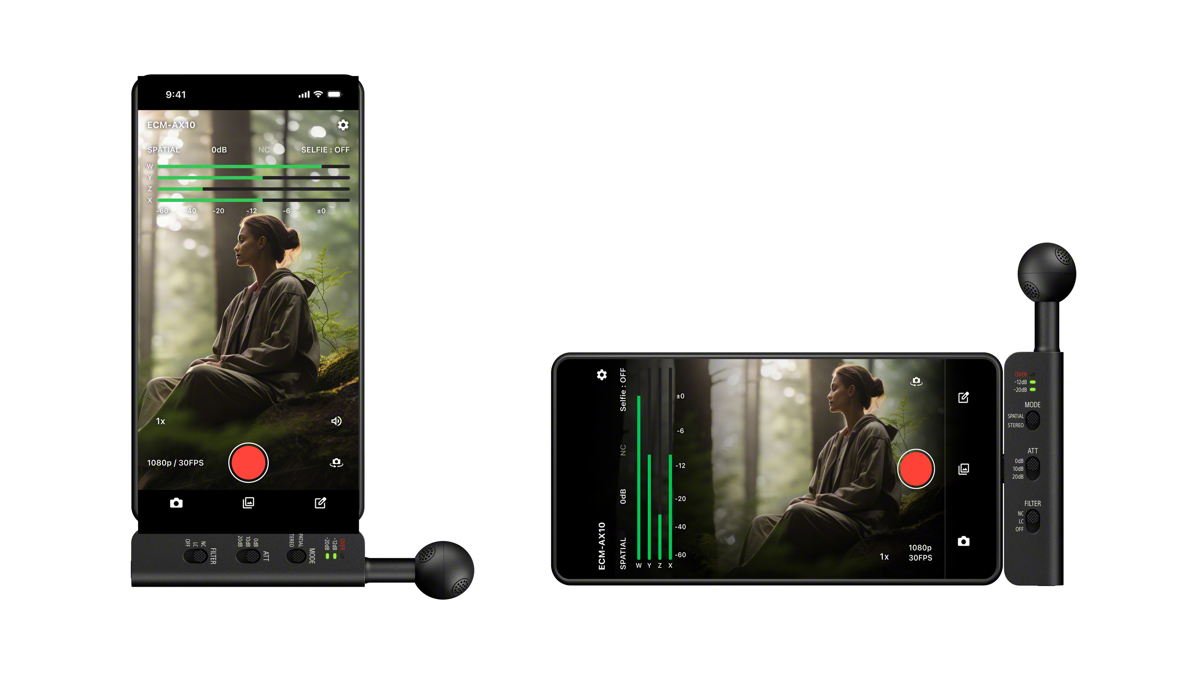
Four omnidirectional microphone capsules support Ambisonics, binaural and stereo recording. Sony’s app exports Eclipsa Audio for supported YouTube playback. Binaural recording is designed for headphone listening, while stereo is the more familiar option. These are different recording and playback approaches, not three levels of a mysterious “sound nicer” setting.
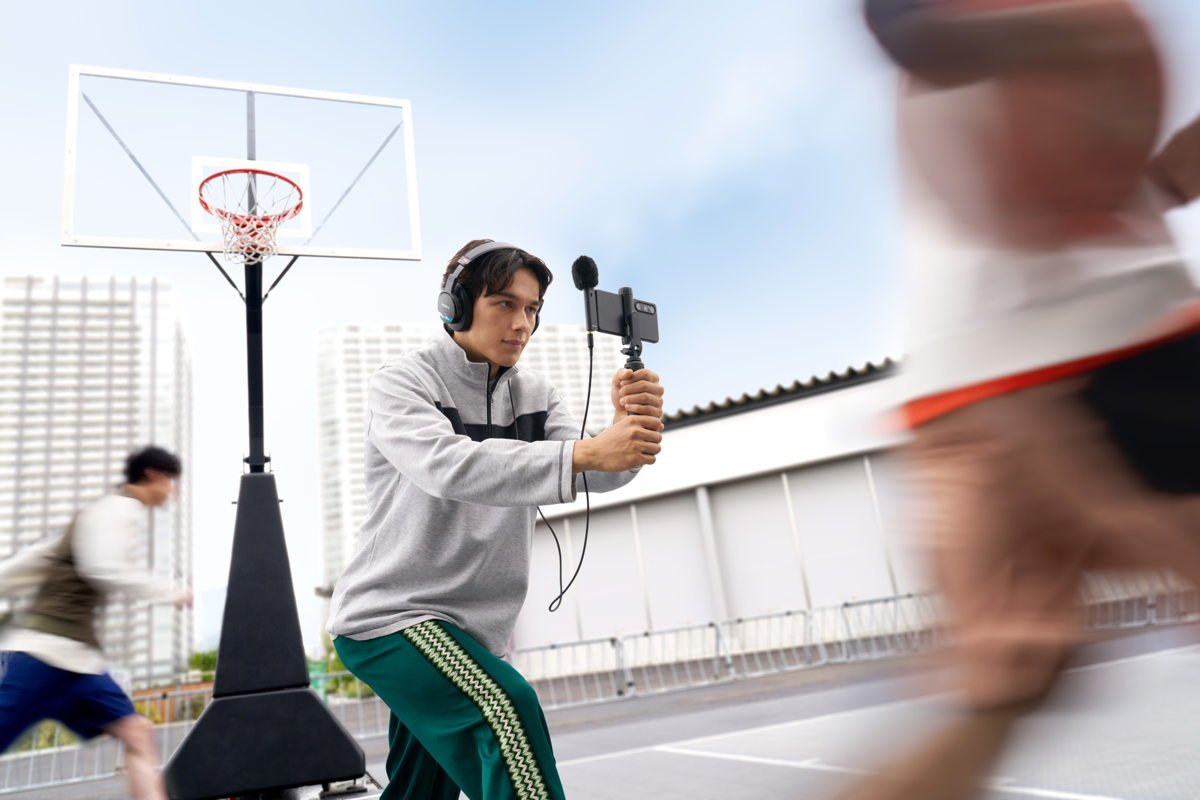
A street performance, a quiet room and a conversation need different things. Choose a mode with the finished clip in mind, then check whether listeners can hear what matters. Capturing the atmosphere sounds lovely until the atmosphere is mostly a delivery scooter with something to prove. A little intention goes a long way here.
Before the mic gets adopted, check its requirements.
The app workflow has requirements
Sony specifies a USB-C phone running iOS 18 or later, or Android 14 or later, and points buyers to its tested-model compatibility list. Some video, editing and export functions need the Spatial Audio Video Tool app. The microphone weighs approximately 24g. Small enough to be appealing, but the app and phone are part of the setup, too.
The release puts planned 4K recording support from December 2026 onward. That is a future update, not a feature to assume is available now. We haven’t tested the microphone, app or sound quality, and the phone’s performance can affect the results as well.
What we would try first
Our first move would be a short clip in the place you normally film. Export it and listen on the equipment your audience uses. Check the voice and background sound all the way through to playback, before committing a long interview to it. Yes, the test clip is the sensible boring bit. We’re being fondly insistent because a silent masterpiece is an upsetting little souvenir.
Our iPhone Duo launch report follows another mobile hardware change, and our audio coverage has more recording and listening gear. With this mic, compatibility and a complete test recording come first. Once those work, you can pay attention to the scene rather than wondering what the phone did with the sound. The bus has had quite enough screen time.
Hero image: Sony. Official image source.


You May Also Like
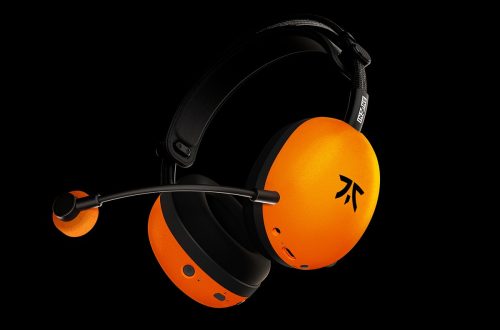
Sony gives INZONE H9 II a Fnatic finish and E9 a purple option
Sony’s new premium Walkmans arrive in November with luxury prices