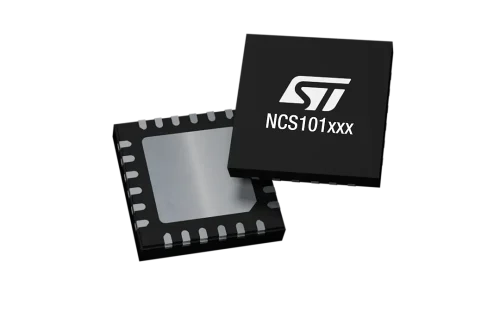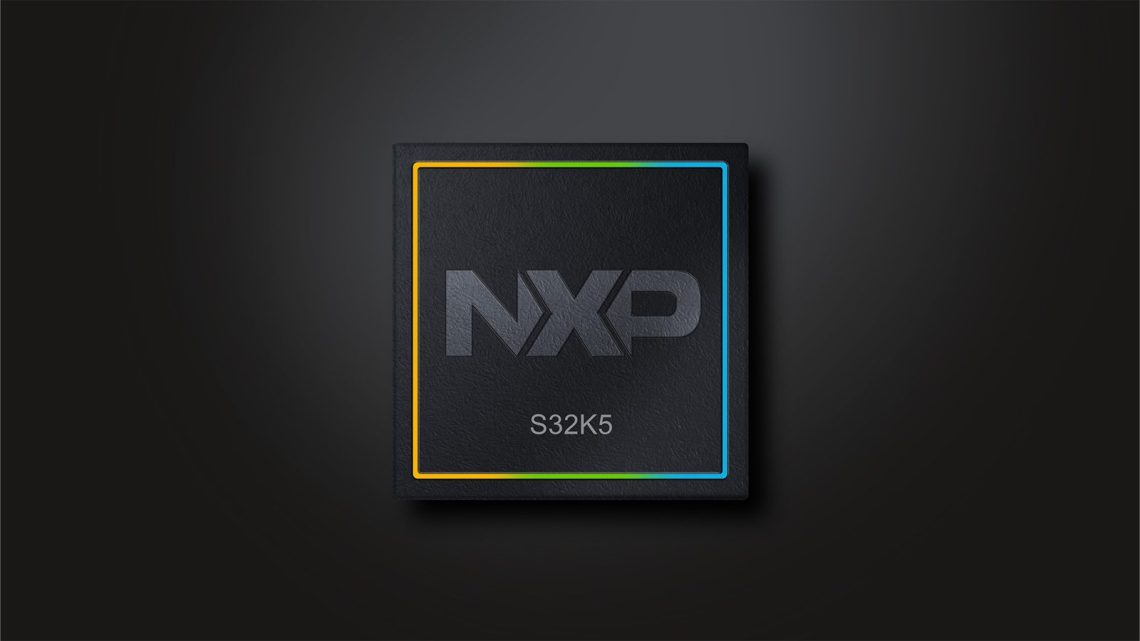
Volkswagen picks NXP chips for its next software-defined cars
Your next car’s most useful technology upgrade might be a tidier arrangement of little black chips. Glamorous? Perhaps not. But the electronics quietly coordinating lights, climate and other everyday functions deserve a little affection, especially when everything is expected to keep working together.
Volkswagen Group announced a strategic partnership with NXP on October 26, selecting the S32K5 microcontroller family for its future zonal vehicle architecture. The first vehicle using the architecture is planned for 2027. That is a development timetable, so keep the imaginary showroom confetti in its bag for now.
Fewer electronic boxes, more shared work
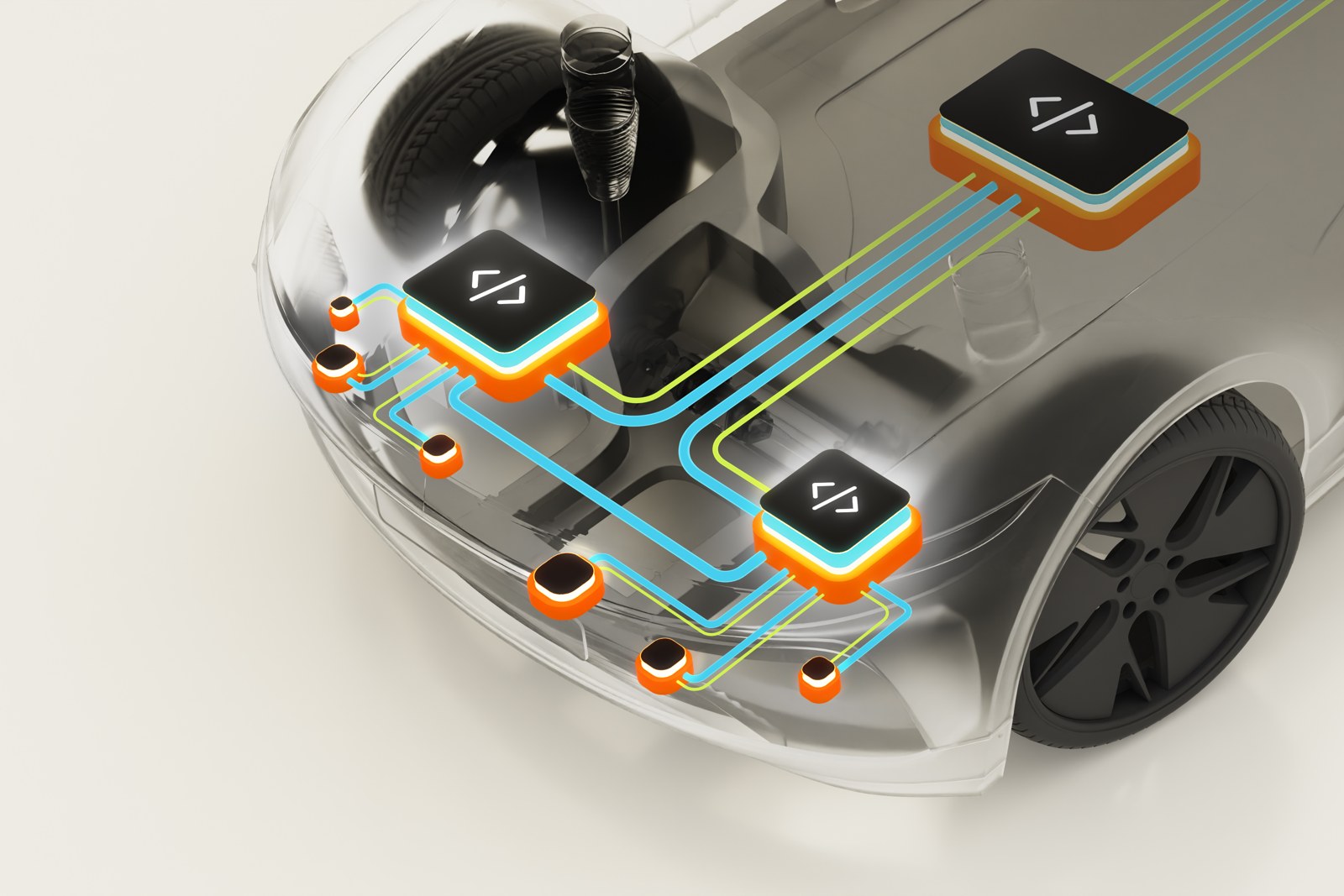
RV Tech, Volkswagen’s joint venture with Rivian, is developing the architecture for both companies’ vehicles. Zonal controllers combine work otherwise handled by separate electronic control units, or ECUs.
The S32K5 chips connect sensors and actuators and coordinate lighting, body, comfort, chassis and safety functions. Separate central processors handle more demanding computing.
The update plumbing matters too
NXP’s S32K5 product page lists Arm Cortex-M7 and Cortex-R52 cores, MRAM memory and firmware updates with A/B swapping and rollback support. In plain language, the family is designed to support switching between firmware versions and recovering to an earlier one.
Those are chip-family capabilities. They do not establish the precise configuration, update policy or recovery behaviour of any future Volkswagen model. NXP also labels S32K5 a preproduction product, with specifications subject to change.
That distinction is worth keeping in your glovebox. A capable update mechanism gives engineers useful tools; the finished ownership experience depends on how the manufacturer uses them. The silicon cannot write a clear support policy by itself. Poor little thing already has enough pins to worry about.
What a future buyer should watch
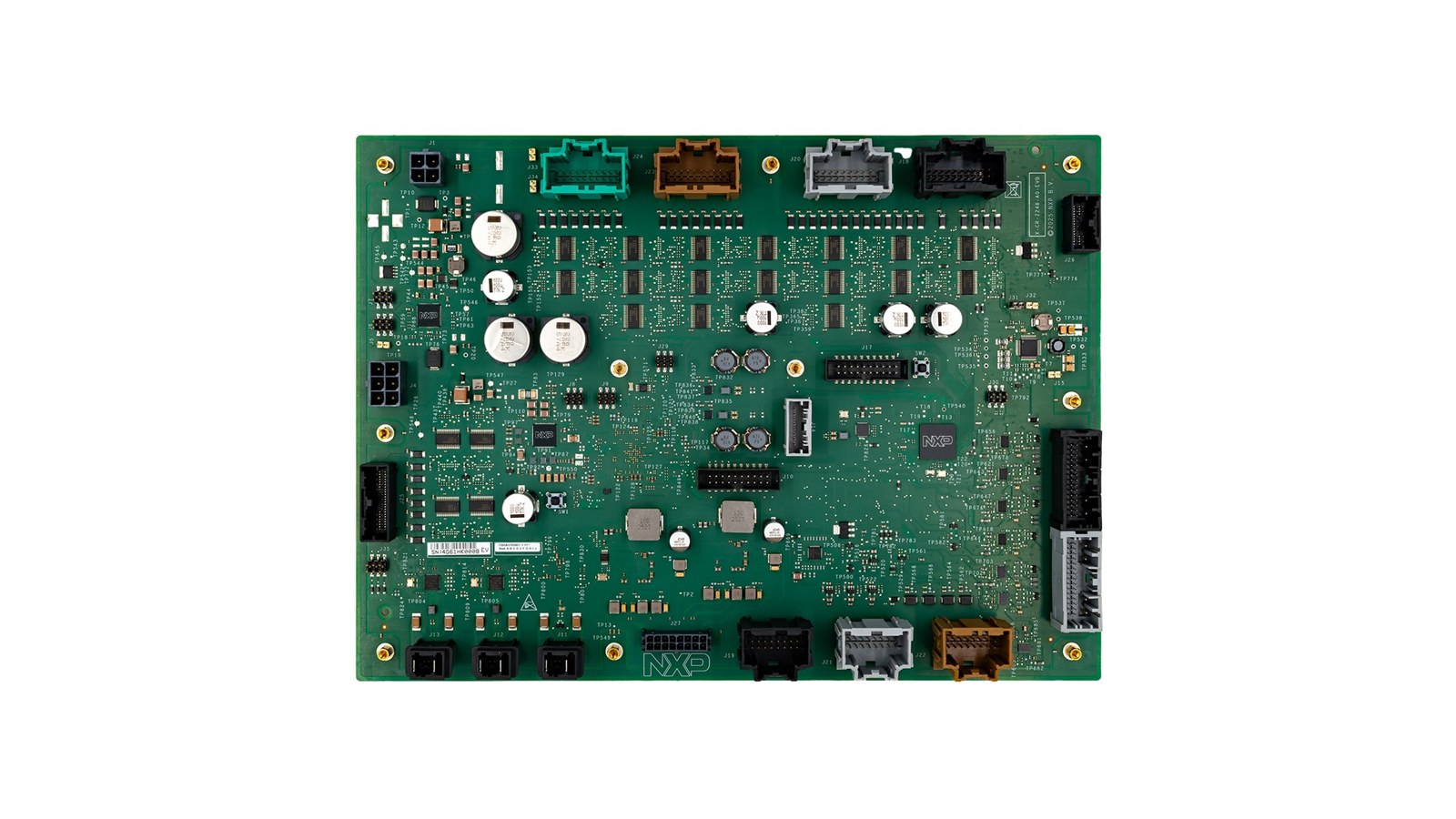
We would look for the named vehicles, their regional launch plans and a clear explanation of which functions can improve after purchase. Support duration, repair arrangements and the handling of a failed update will be more useful shopping information than the phrase “software-defined” on a brochure.
Our earlier look at long-term Mach-E software support explains why that ownership question matters. And Geely’s separate Google built-in plan shows another piece of the industry’s software push, focused on the experience inside the cabin.
The useful next step is turning that engineering foundation into clear ownership commitments. We will happily read that paperwork before getting distracted by the dashboard’s shiny bits.
Hero image: NXP. Product and reference images are official manufacturer materials. DeviceCritique has not tested this architecture.


You May Also Like
Hyundai’s India BAYON launches, with its cleverest tech on HX 10
Geely plans Google built-in for more brands from late 2027