Geely plans Google built-in for more brands from late 2027
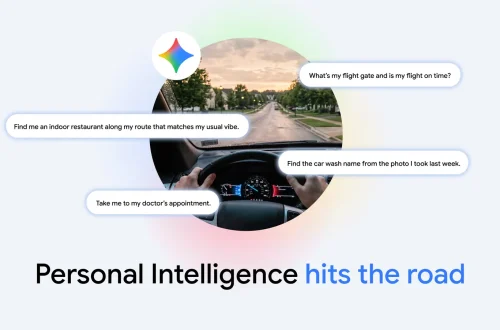
A car dashboard should not need the full dramatic retelling of where you want to go. Geely Holding Group is planning to put more familiar Google services directly into its vehicles, with the first application due in the second half of 2027. Its partnership release, posted October 20 with an October 16 dateline, names Gemini, Maps and Play among the planned services. A promising bit of dashboard housekeeping, even if the calendar is asking us to be patient.
More brands, but no confirmed model list yet
The plan covers eligible overseas vehicles from Geely, Lynk & Co, Proton, Riddara and smart, among other portfolio brands. The first rollout is planned outside China and the United States, subject to product, regulatory and market readiness. Specific models, countries and feature timing are still to be announced. This is a future platform agreement, not a software update arriving on an existing owner’s driveway this weekend.
Here is why “built-in” matters.
The car runs the services itself
Google’s built-in overview describes services integrated into the vehicle, rather than requiring a phone-projected interface. Android Auto is the separate experience that brings a compatible phone’s functions to the car screen. They can sound like twins at a family gathering, but they have different jobs and different update paths.
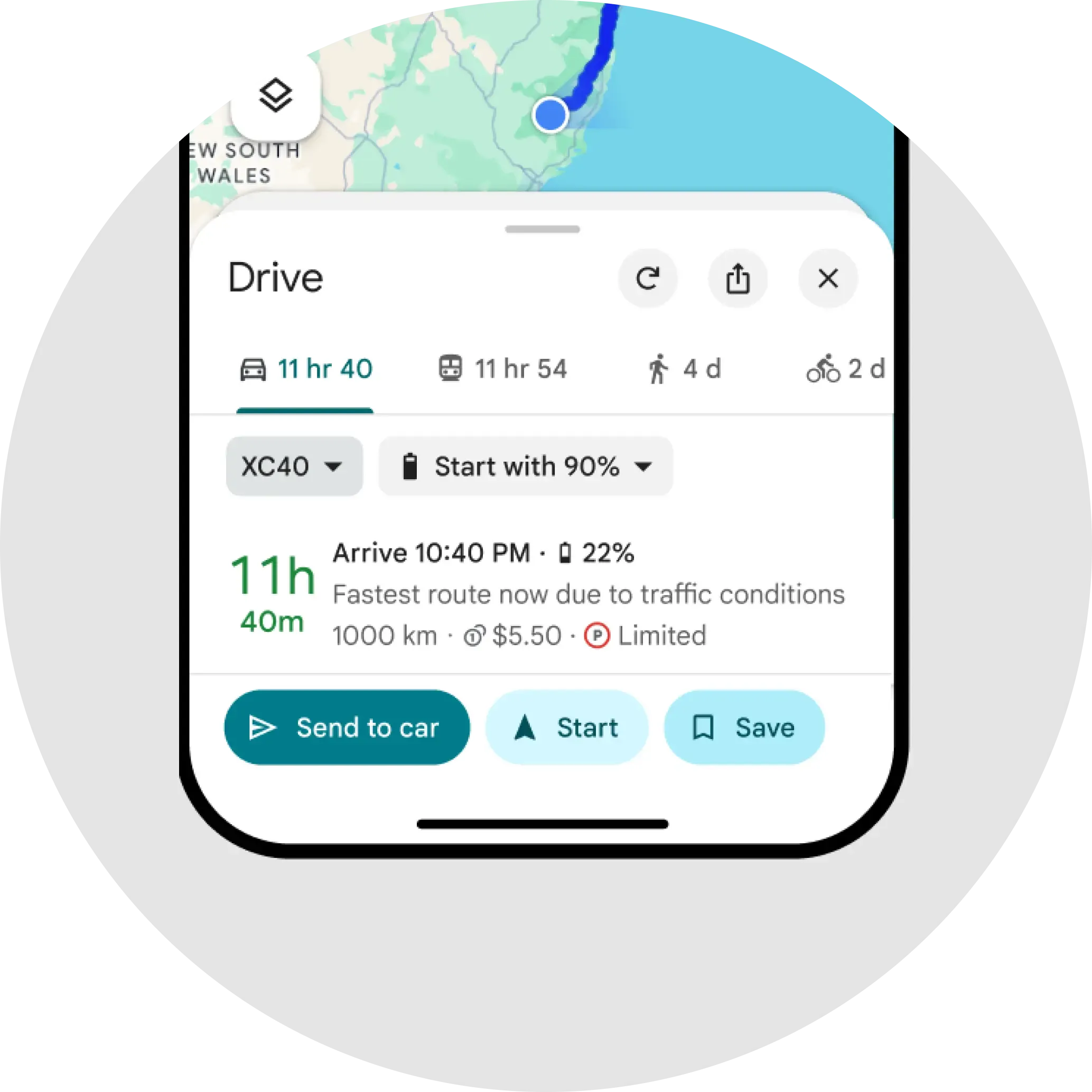
The attraction is less ceremony at the beginning of a journey. Navigation and other services live with the vehicle instead of every trip becoming a little connection ritual. That could be especially welcome when you have already found the keys, rescued a reusable cup and discovered the person who said they were ready is still choosing shoes. The dashboard can, ideally, be the calm member of the group.
Familiar apps still need a vehicle-specific explanation
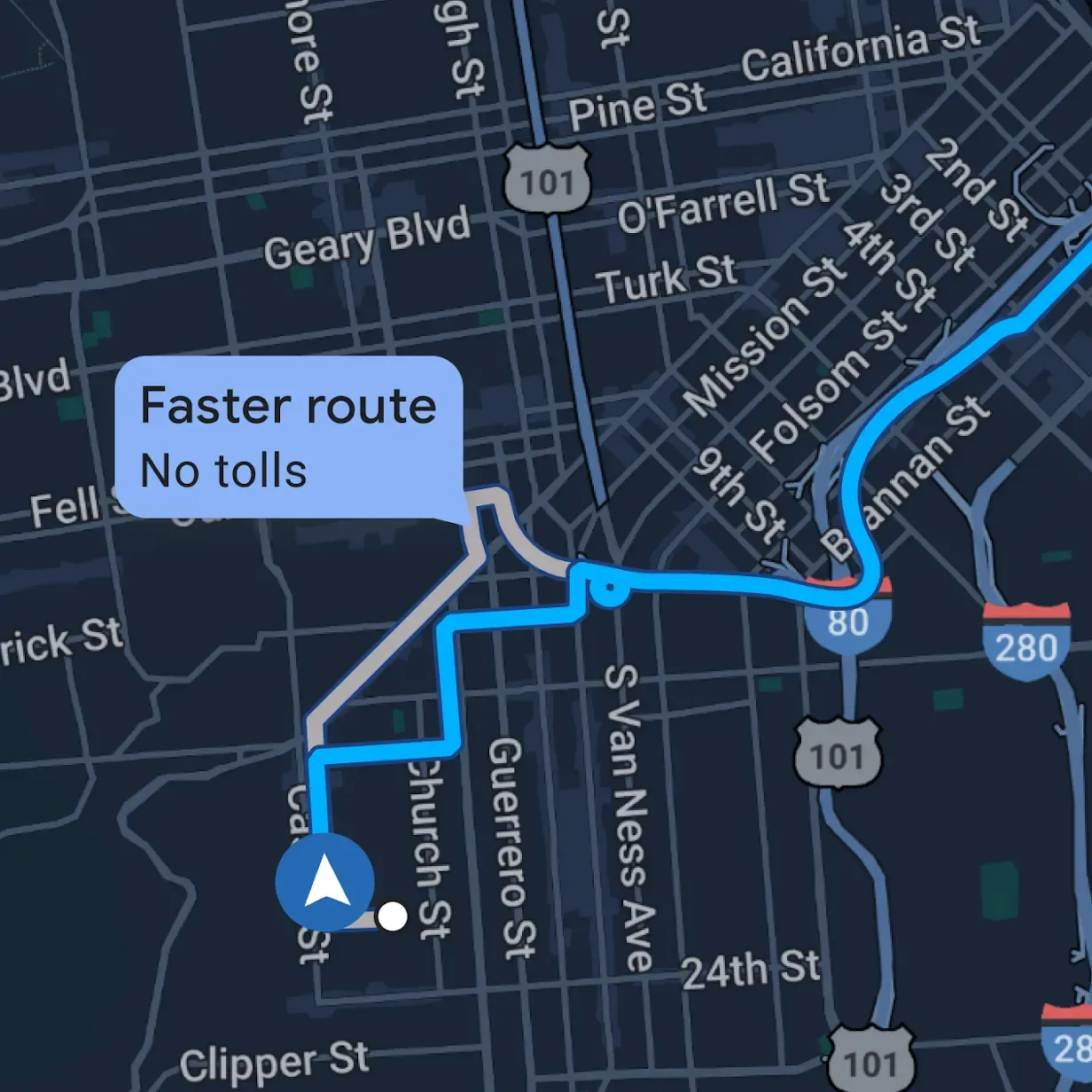
Google illustrates built-in Maps features such as sending a route from a phone to the car and changing course around traffic. Its overview also warns that services, devices and availability vary by manufacturer, model, language and country; an internet connection or subscription may be required. Those general platform examples do not establish the exact feature set of a future Geely vehicle.
The part to watch next is the local announcement.
A useful follow-up would identify actual trims, data arrangements and what happens after any included service period. The partnership does not promise retrofits for current cars, so an existing dashboard should not start being mentally redecorated just yet. We can admire the idea without making it sign a lease in a vehicle it has never met.
A longer-term dashboard story
Our Android Auto Personal Intelligence report covers a separate rollout already beginning, while our Mach-E software-support explainer asks what owners need over a car’s much longer life. For this agreement, the meaningful milestone comes when a named local model turns the plan into something buyers can actually compare. Until then, the interesting news is the expanded partnership—not a new button to press today.
Hero image: Geely. Official image source.


You May Also Like

Ford’s Mach-E software question: cars need longer support than phones