BMW counts a million driverless factory moves
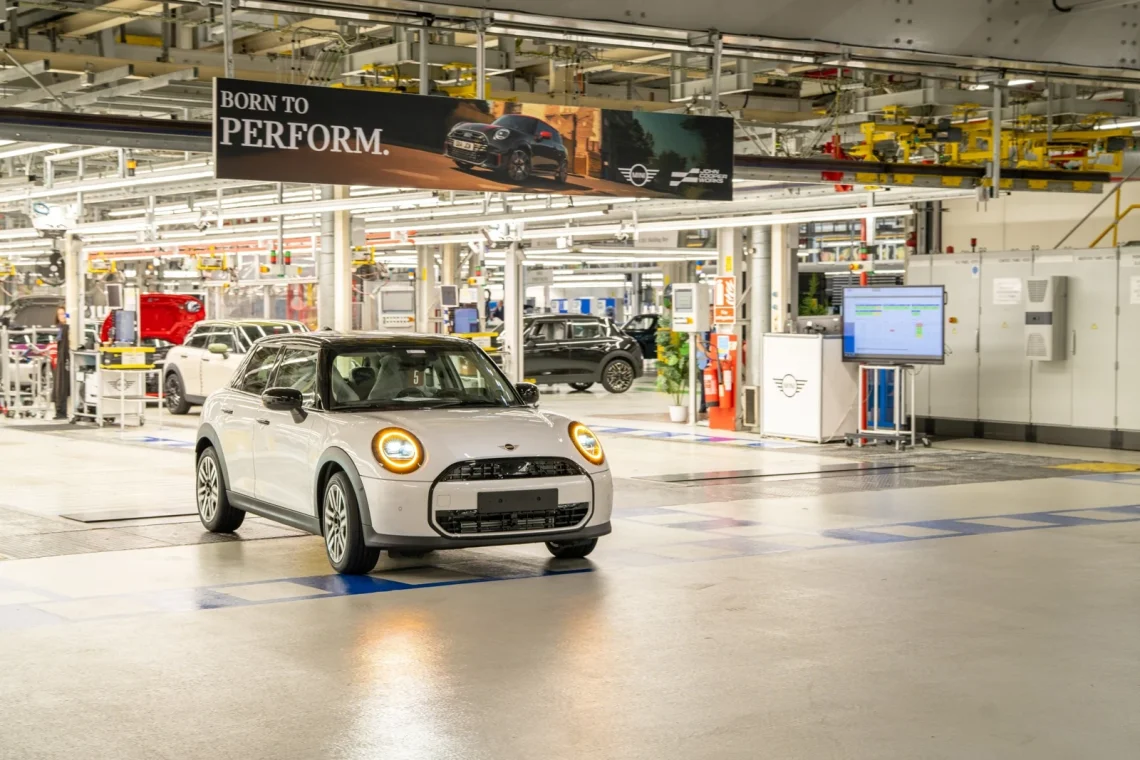
A MINI heading through the factory with nobody at the wheel is a wonderfully small sci-fi scene. The impressive part, though, is doing it again tomorrow without turning the rest of the shift into a troubleshooting party.
BMW Group’s October 27 announcement counts one million automated vehicle movements across four production sites. The technology is called Automated Driving In-Plant, or AFW. This is factory logistics, rather than a new self-driving feature buyers can switch on during the school run.
The factory helps the car find its way
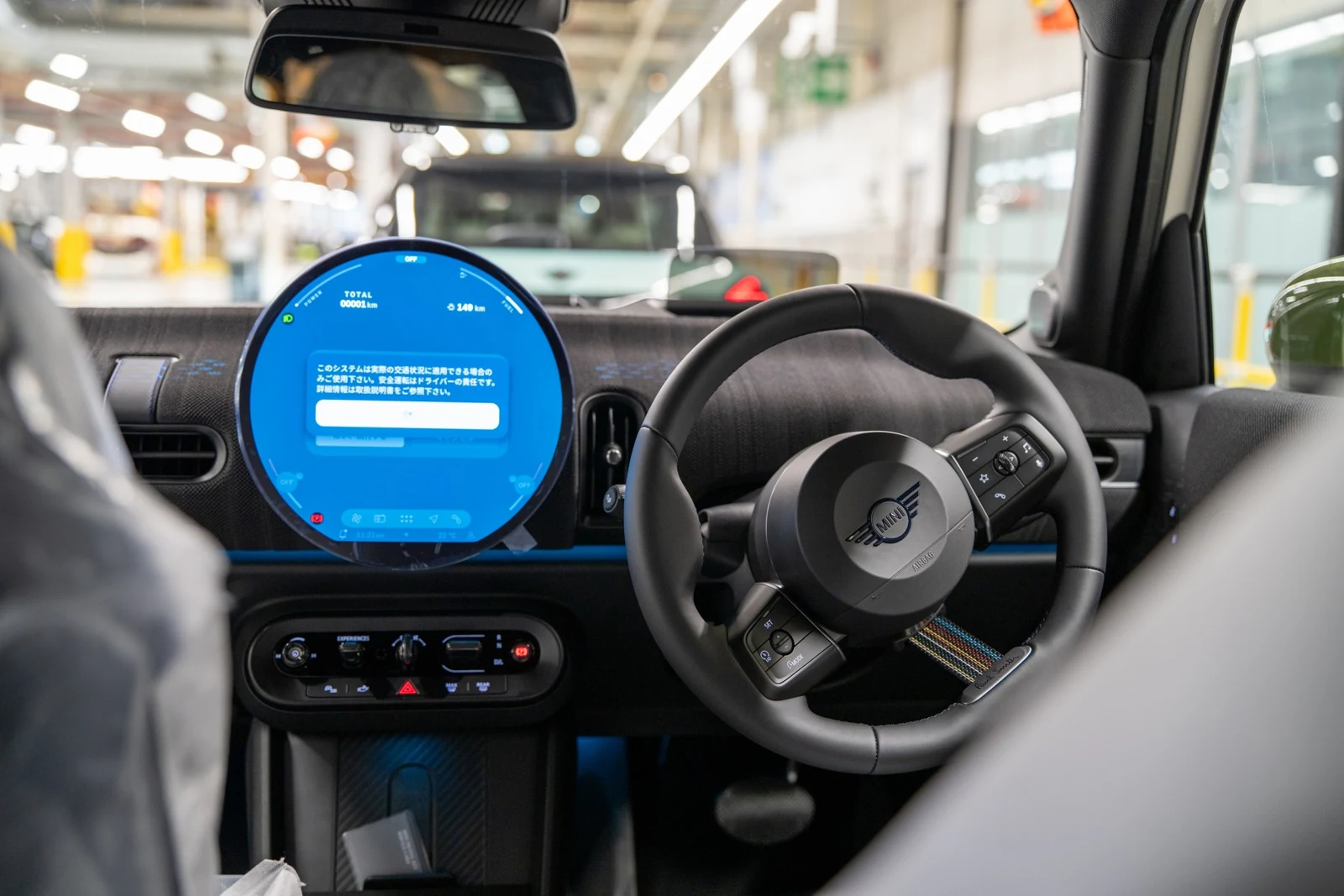
BMW says AFW combines external sensors, cloud architecture and motion planning. Route-side LiDAR watches the surroundings; the sensing infrastructure is installed in the plant rather than depending on each car’s equipment specification.
That distinction matters. A car doing something clever does not automatically mean the cleverness lives entirely inside the car. Here, the building is part of the system. Think less “every MINI has secretly become a robotaxi” and more “the factory has learned to coordinate another moving piece.” Still rather neat. Just a different kind of neat.
This is an operating milestone, not the first demonstration
There is useful history behind the number. BMW’s November 2024 production announcement described series operation in Dingolfing, CE certification and an automated route of more than one kilometre between assembly and finishing areas. It also described Leipzig applications. The current milestone therefore tracks an expanding operation, rather than unveiling an entirely new idea.
A repeated production task can make a better test of usefulness than a beautifully choreographed one-off demonstration. The questions become practical: can the movement fit the workflow, can people understand what the system is doing, and can an interruption be handled without creating a queue behind it? Those are the unglamorous questions worth keeping. The confetti can wait beside the high-visibility vest.
What changes next?
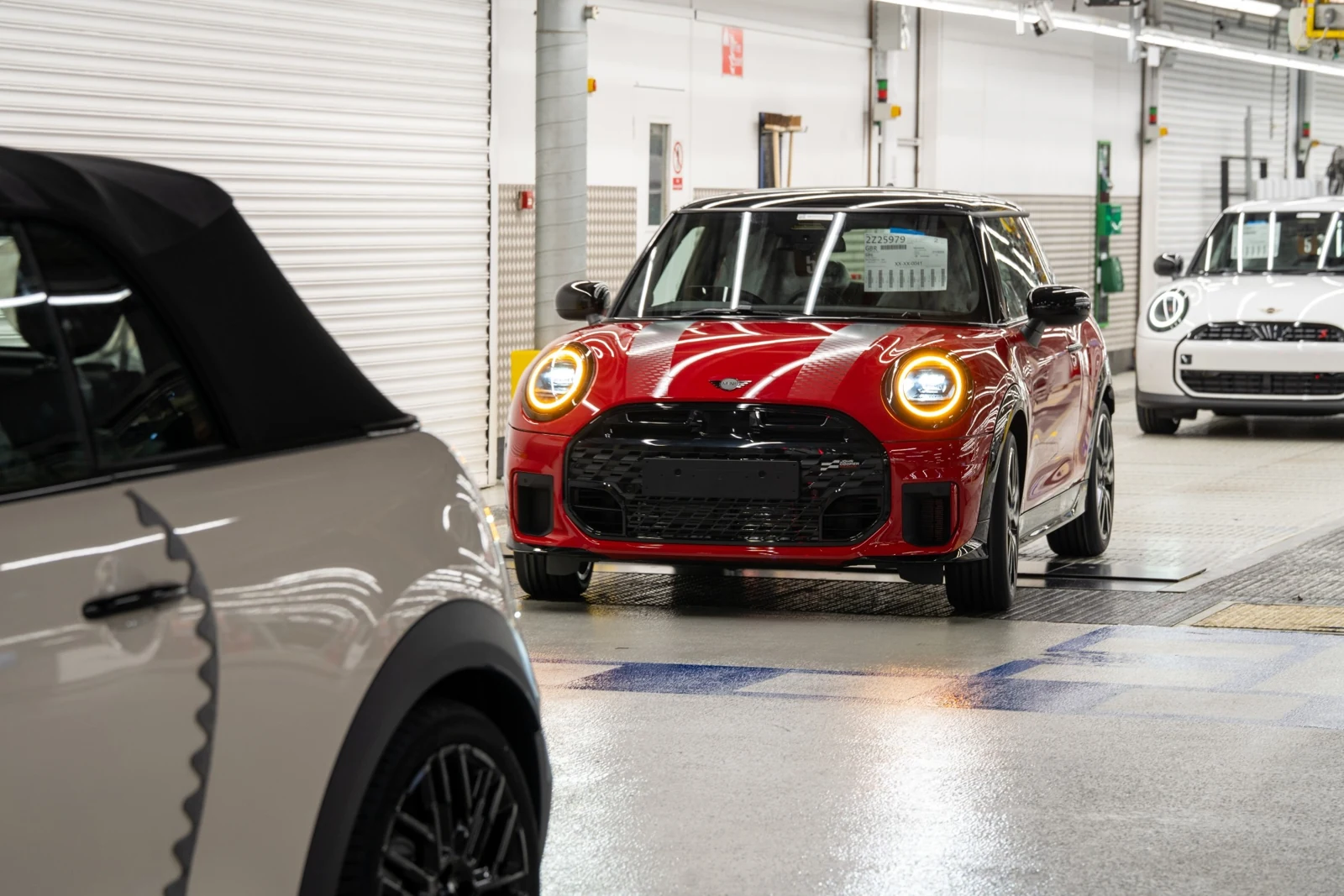
Oxford joins Dingolfing, Leipzig and Regensburg. BMW says its Oxford installation connects automated vehicle positioning with existing equipment, including a lifting device. Spartanburg is planned to join in 2027; that remains an announced next step.
The takeaway is a scale story with clear boundaries. A controlled production setting is a specific job, and success there should be judged on that job. It does not settle how a vehicle handles an open public road, or promise a feature for the car sitting on your driveway.
Our automotive technology desk follows those differences, while Volkswagen’s planned NXP-based architecture concerns the electronics inside future vehicles. Both are software stories. Their useful questions begin in different places.


You May Also Like

Geely plans Google built-in for more brands from late 2027
Volkswagen picks NXP chips for its next software-defined cars