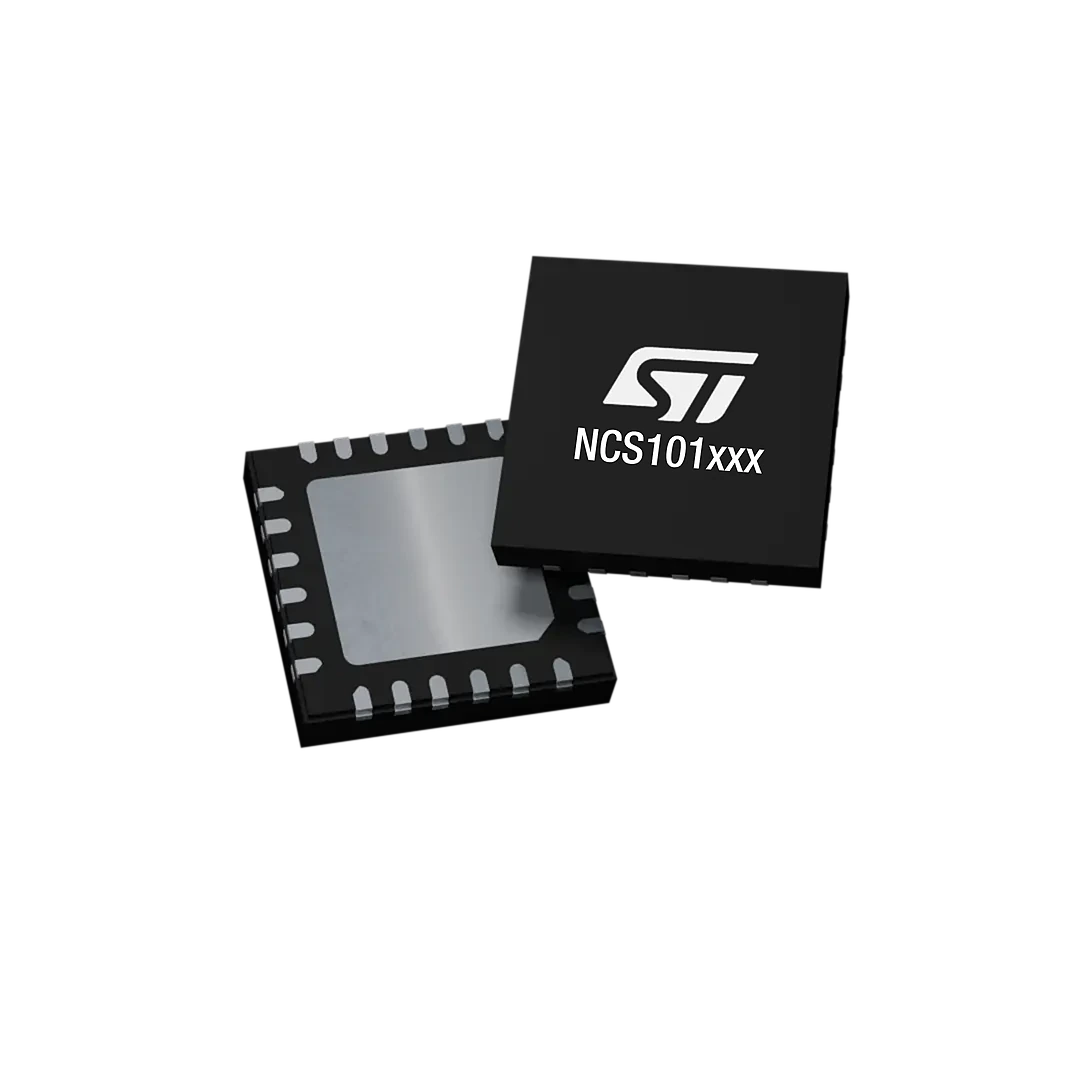
ST’s tiny car sensors aim to bring safety tech to more models
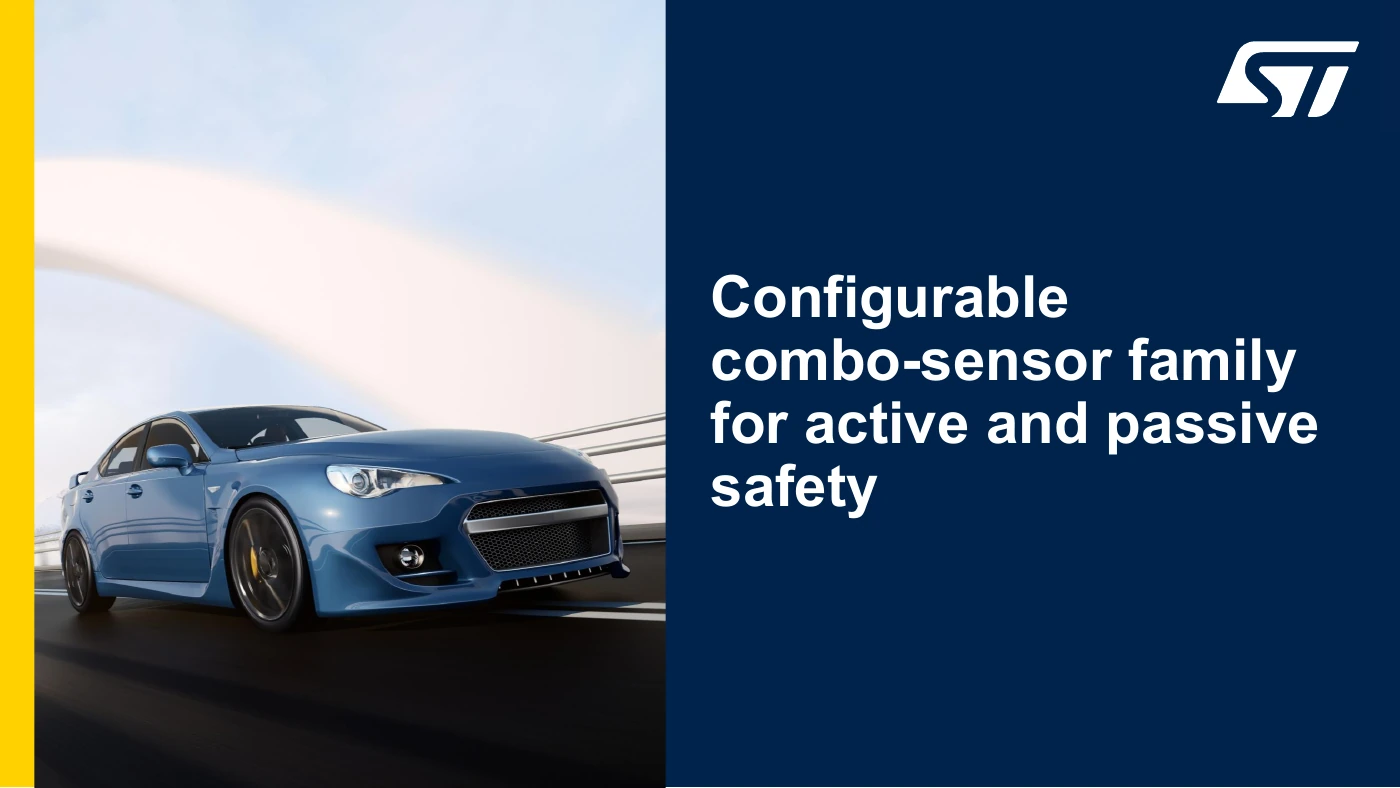
STMicroelectronics has announced four automotive safety sensors aimed at bringing more advanced functions to mass-market vehicles. All four are in production. They combine acceleration and angular-rate sensing, with applications including stability control, crash detection and rollover detection. The October 26 announcement also promises at least 15 years of product availability.
A tiny square of silicon is not the most photogenic car news, admittedly. It will not give you a panoramic dashboard or a cheerful welcome animation. But the interesting bit is what the car can learn about its own movement, and how that information reaches the systems making decisions.
One package, two kinds of motion information
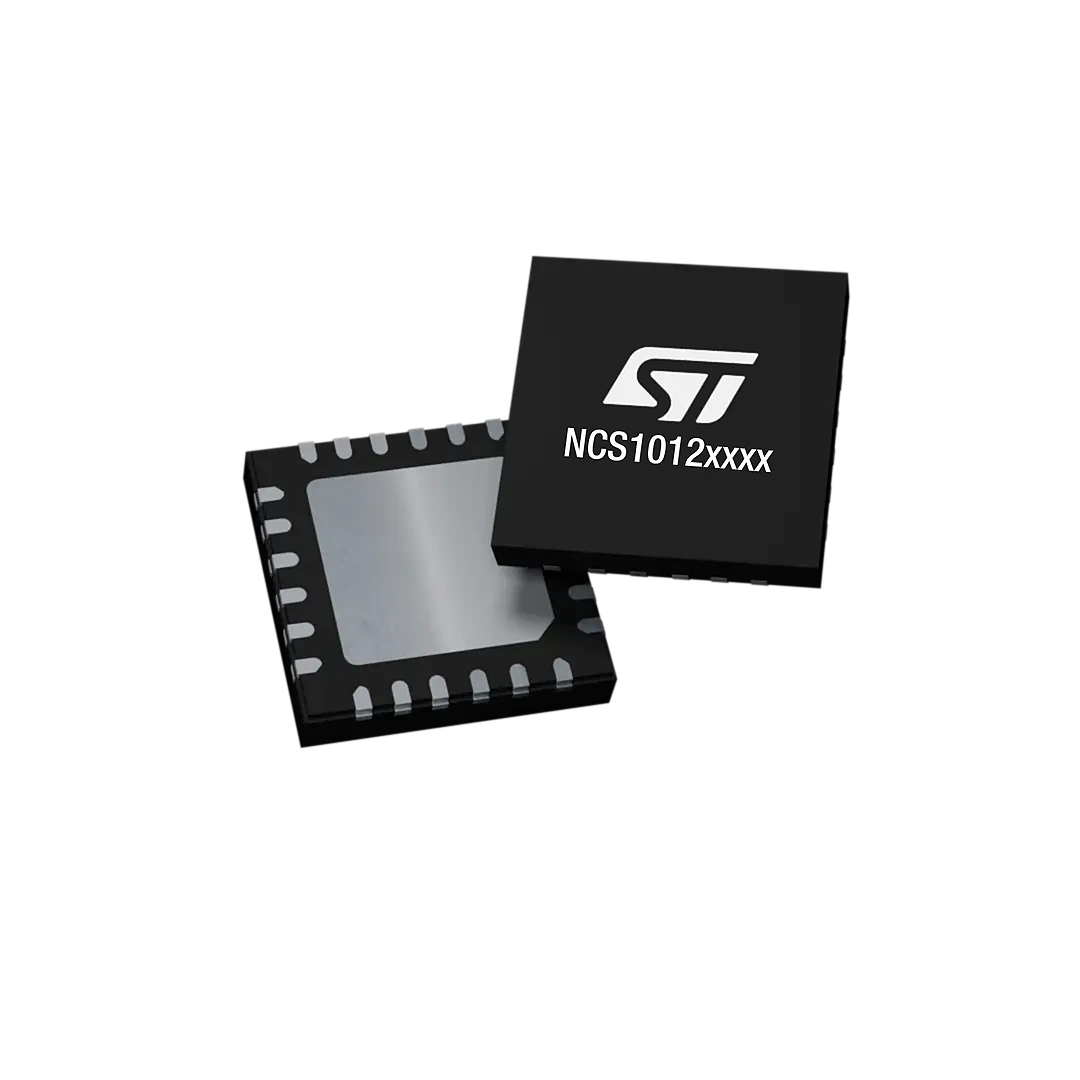
Take the NCS1012BAEP: it measures angular rate around the z-axis and acceleration along the x and y axes. In ordinary terms, those readings describe rotation and acceleration in different directions. Its specifications include internal diagnostics, SafeSPI communication and an operating temperature range of −40°C to +105°C. The package measures 6 × 6 × 1.90mm.
Those details are more useful than simply counting how many sensors a car contains. A sensing component has to deliver the information the particular system needs, in the conditions where it will operate. Think of it as giving the car a more suitable set of instruments, rather than awarding points for a crowded toolbox.
The variants serve different jobs
ST’s official technical slides distinguish the NCS10135, with one gyroscope axis and three accelerometer axes, from the NCS1012 family, with one and two respectively. ST positions the former for advanced vehicle dynamics and rollover sensing, and the latter for electronic stability control and rollover prevention. These are component applications, not promises that every equipped car will offer identical features.
That is the important distinction when a supplier talks about scaling technology across a range. Manufacturers still have choices to make about the system around it. The chip announcement alone cannot tell us which trim level will receive a function, how a driver will interact with it, or what the finished car will cost.
What it means for a car shopper
This sits alongside the less visible work in our Volkswagen and NXP chip coverage: the foundations matter, even when they are buried well below the touchscreen. If you are comparing cars today, though, look for the equipment and operating limits of the actual model. Our Hyundai BAYON launch breakdown shows why trim details deserve attention.
ST gives no consumer vehicle launch or retail price here; sample requests and pricing go through its sales offices.
The worthwhile news is a new production-ready component family with a long supply commitment. Wider safety-feature availability is the ambition to watch as carmakers announce real implementations. For now, give the little square a polite nod. It has an interesting job ahead, even without an illuminated grille.


You May Also Like
Volkswagen picks NXP chips for its next software-defined cars
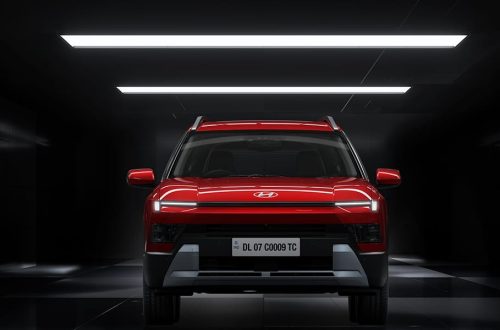
Hyundai’s India BAYON launches, with its cleverest tech on HX 10