Toyota and Waymo plan bZ4X robotaxi testing in Japan
A robotaxi can promise a wonderfully futuristic trip, then meet the most ordinary question in transport: how do I get myself and this awkward bag inside? Toyota and Waymo’s new bZ4X plan gives passenger access a little attention alongside the autonomous-driving hardware. The suitcase, as ever, refuses to be impressed by a strategic partnership.
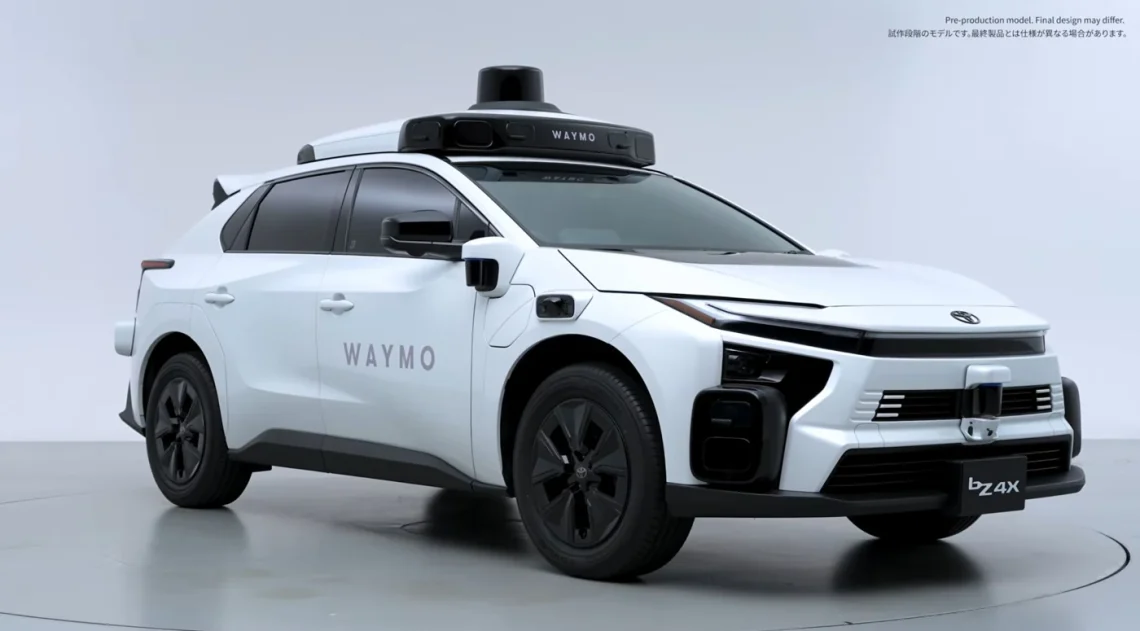
Toyota and Waymo’s October 30 announcement plans bZ4X robotaxi test and validation operations in Japan in 2027, with the U.K. and other Waymo markets following in later years.
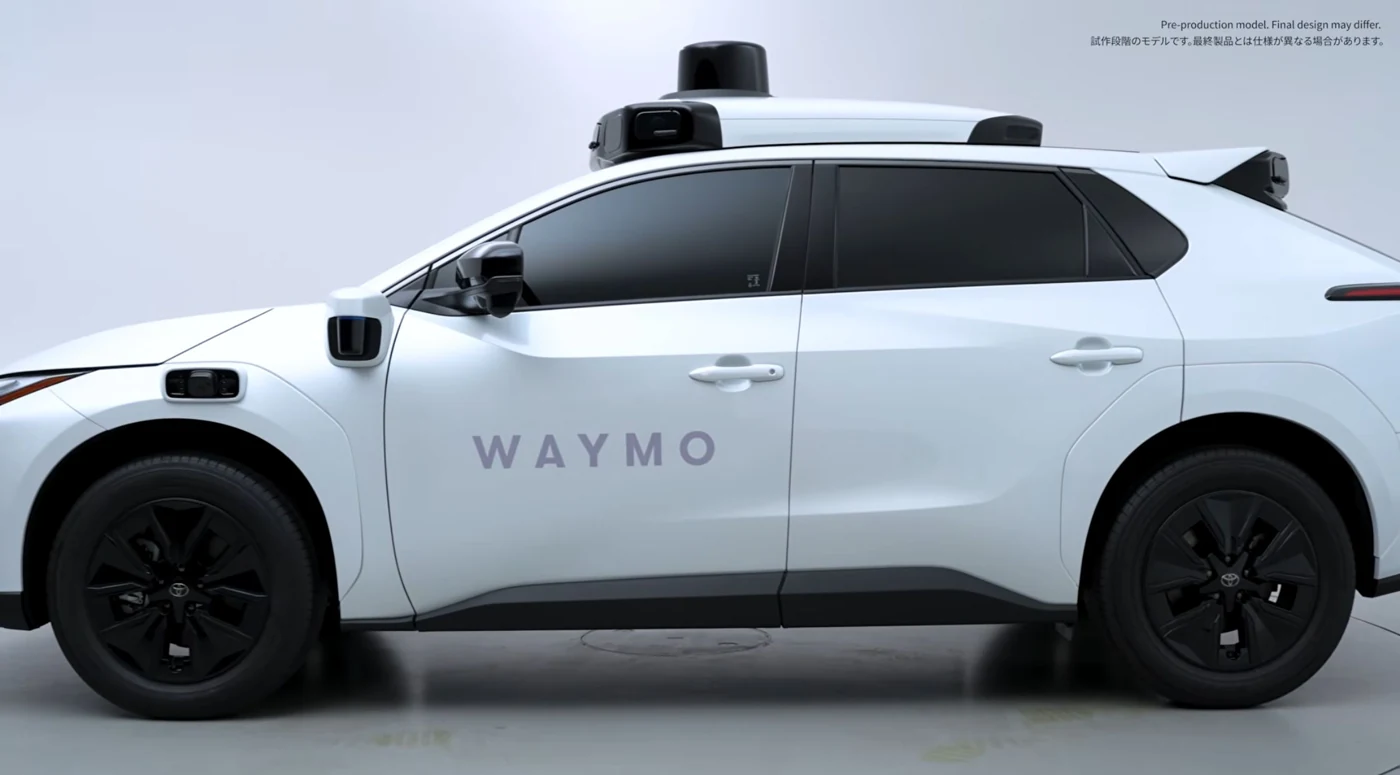
The frames show a pre-production vehicle; its final design may differ.
The passenger door deserves some of the spotlight
Toyota’s Takaoka plant will assemble the vehicle and integrate Waymo hardware. Passenger changes include extra rear legroom, automatic doors and a power liftgate.
Those details make the proposal easier to assess as a ride, rather than simply a vehicle with more equipment attached. Think about boarding, settling into the back and retrieving luggage at the other end. A trip has small physical steps before and after the clever driving part. Making those steps clear is a meaningful part of designing the service.
Testing in 2027 is not a booking invitation
They have not announced rider service dates, cities, fleet size or fares.
Keep the milestones separate. Building an adapted vehicle, validating it in a particular place and opening a service to paying passengers are different events. A year in an announcement can look remarkably like a date for your calendar until you read what is actually scheduled. For now, it belongs on the development timeline.
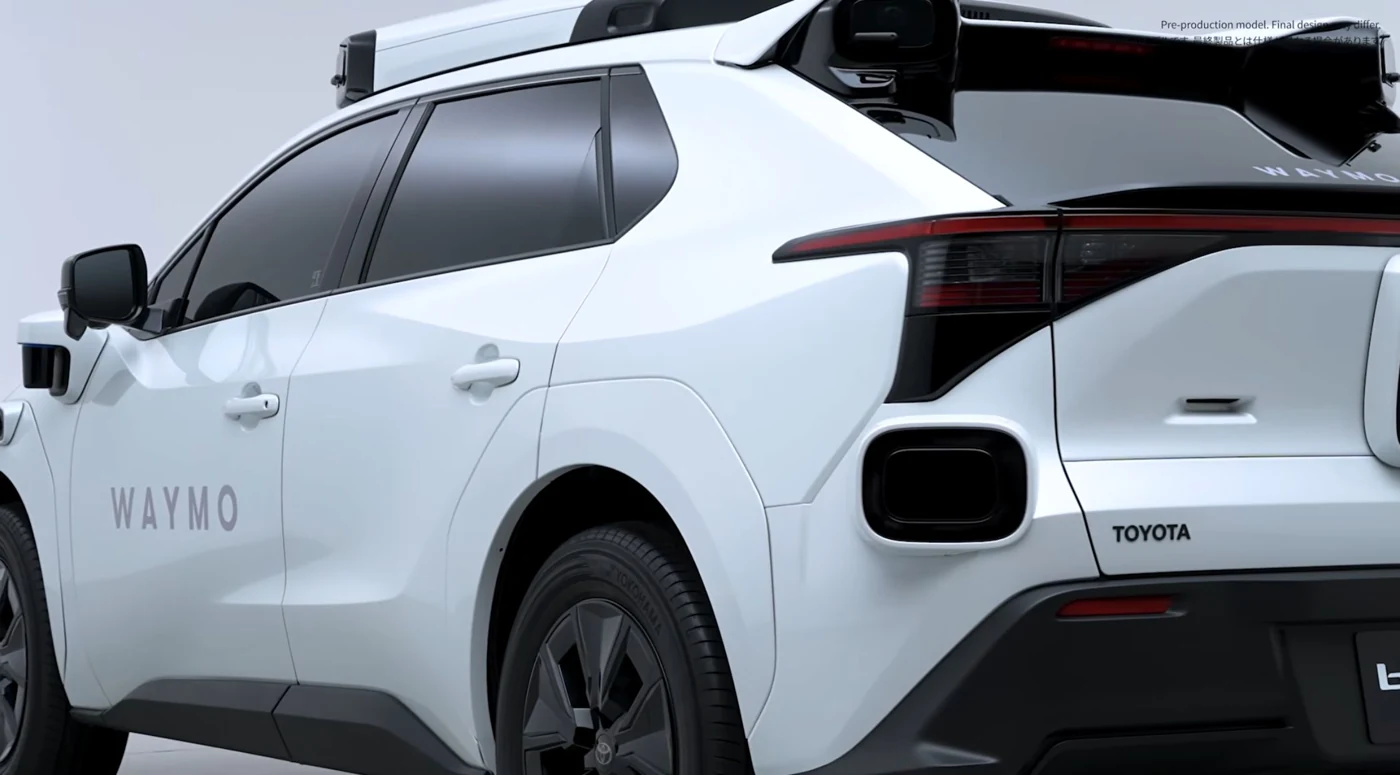
Likewise, the use of the bZ4X name does not turn a retail bZ4X into this robotaxi or promise its driver the same capabilities. The coissued Waymo announcement describes the partnership vehicle. Someone shopping for an ordinary car should judge the features and conditions of the model actually offered to them.
What would make the next update useful?
The next helpful details would explain where testing occurs, what operating conditions apply and when ordinary riders can participate. Those answers would move the story from a vehicle plan toward a service people can evaluate for a real journey. Until then, resist filling the empty boxes with optimistic assumptions.
Our electric GLC Japan coverage shows another example of why market-specific dates matter; the Automotive Tech desk follows the wider field. The useful takeaway is a defined next step for Toyota and Waymo, with passenger-focused changes attached. It is an interesting plan. The booking button is still a different milestone.


You May Also Like
BMW counts a million driverless factory moves

Volkswagen picks NXP chips for its next software-defined cars