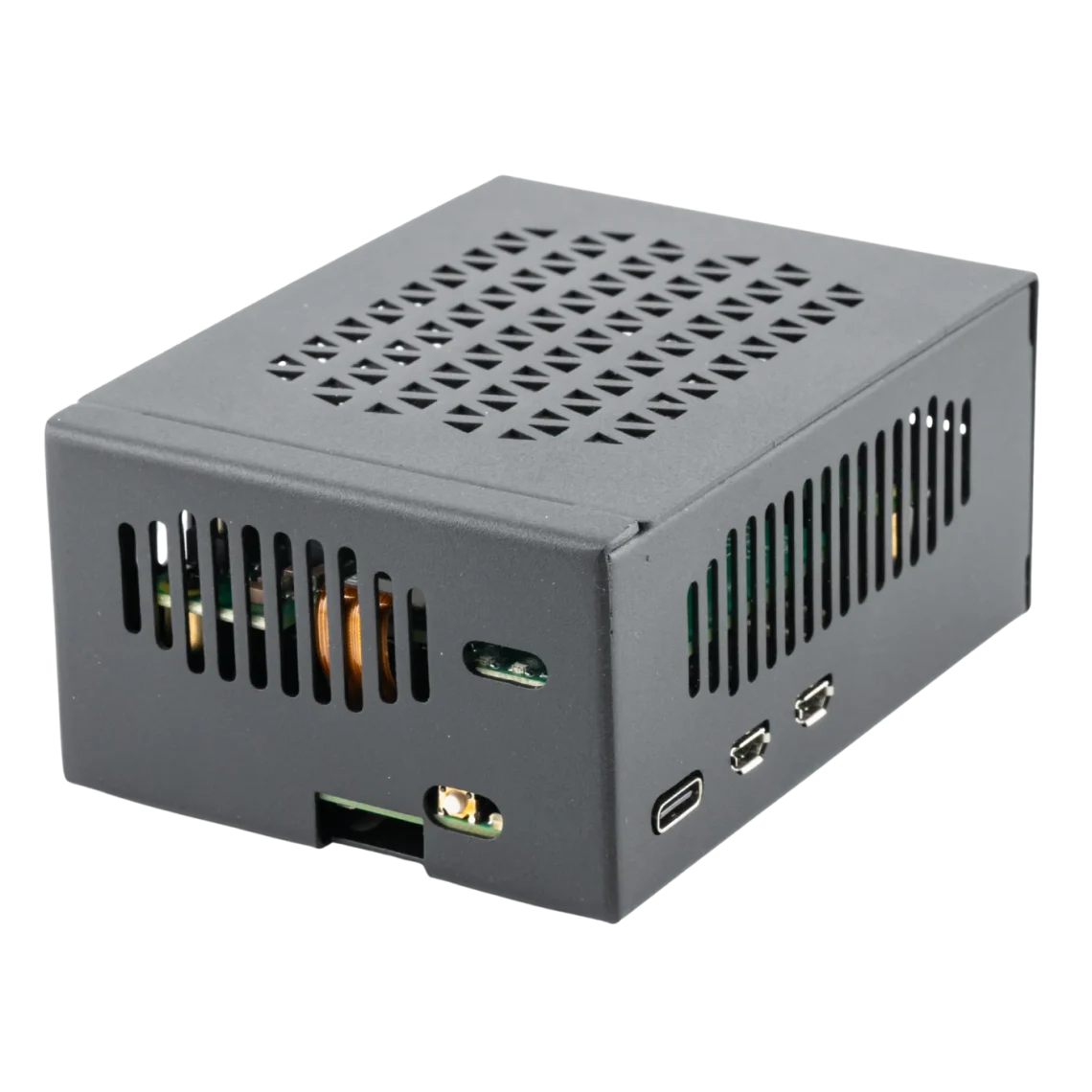
BrainChip’s AKD1500 Raspberry Pi 5 kit targets local, always-on AI
A Raspberry Pi project can begin with one innocent idea and end with six browser tabs explaining a cable you did not know existed. BrainChip’s new development kit tries to shorten that opening chapter for a particular job: building AI that works beside its sensors.
In its October 29 announcement, BrainChip pairs a Raspberry Pi 5 with an AKD1500 M.2 board. This is a development kit for evaluating edge AI, rather than a ready-made household assistant.
What the kit is trying to make easier
BrainChip says its event-based processor can support always-on sensing and learn new classes on the device, citing keywords, gestures and objects as examples. Those are manufacturer claims, not results from our own tests.
The practical question is specific: can it recognise the thing your project needs, with acceptable misses, false triggers and power use? A demo that recognises a tidy example is the introduction. Your actual room, microphone or camera gets the next speaking part.
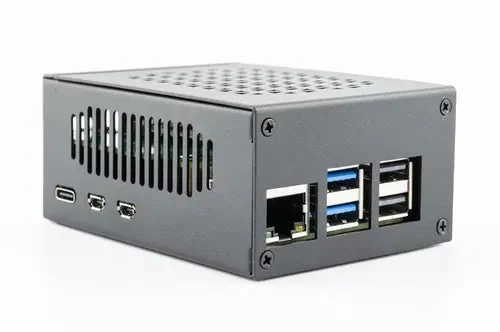
BrainChip says developers can later use the same AKD1500 chip in a production design through PCIe or SPI. That describes a possible development route; it does not make a prototype a finished, validated product.
The price is for the whole development package
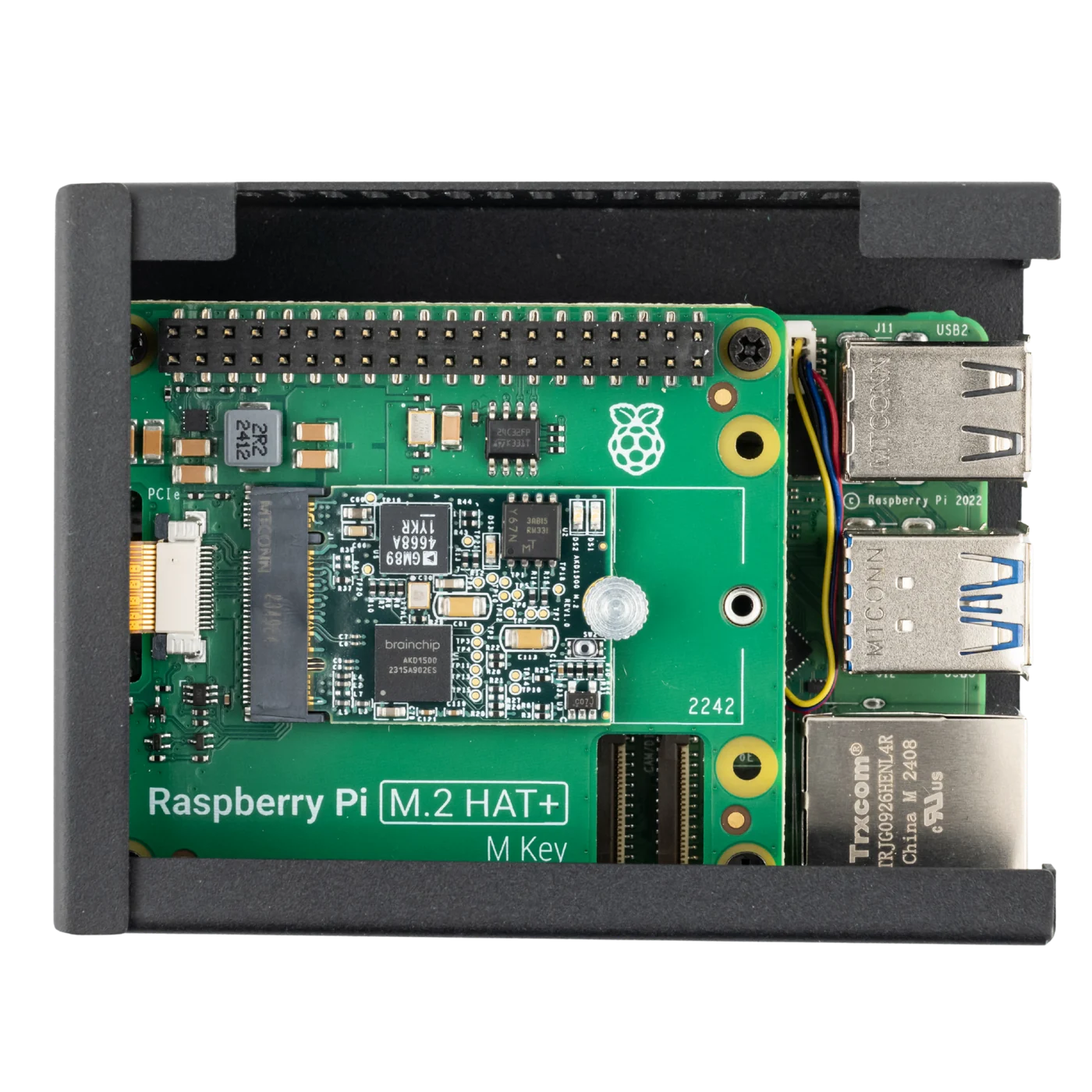
The official store currently lists the kit at US$1,295 excluding tax, in stock. Listed contents include an 8GB Raspberry Pi 5, AKD1500 M.2 card, preconfigured 32GB SD card with Akida demos and MetaTF, and a USB-C power supply.
BrainChip also lists the M.2 card separately at US$129 excluding tax. That is not a like-for-like replacement for everything in the kit. The announcement says an existing Pi 5 with an M.2 HAT can use the card and the same software.
One detail to keep straight: the announcement says kit support will include Docker images. That wording is a plan, not confirmation that every promised container is available today. MetaTF tools and models are described as free through the Developer Hub.
Our computing coverage follows hardware choices, while the software desk covers the other half of these projects.
The sensible next step is to inspect the example models and setup documentation against one real workload. Start small. The project can earn its elaborate enclosure after it reliably knows what it is looking at.


You May Also Like

Sony’s transparent Prism PS5 accessories arrive from February 2027

ASUS brings light-blue OLED Vivobooks to Japan