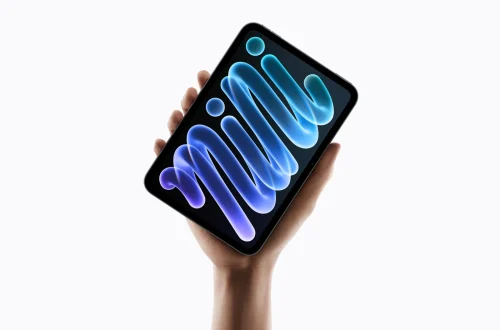
Airwindows Consolidated brings free effects to iPhone and iPad
Five hundred effects is a lovely gift. It is also how “I’ll just add a little reverb” develops a three-hour side quest. Airwindows Consolidated has arrived on iPhone and iPad, and a small plan might be the most useful accessory.
Developer Sveinbjörn Pálsson announced App Store availability on October 31, after a lengthy approval wait. Apple’s listing requires iOS or iPadOS 17.0 or later. It is free.
Check the host before inviting the whole effects cupboard
The technical README credits Chris Johnson’s effects, Paul Walker’s consolidated build and Sveinbjörn Pálsson’s iOS port. One selected effect runs inside each AUv3 instance.
Its README names AUM, Cubasis, Logic Pro, GarageBand and Loopy Pro among the iPad hosts used by the developer. We have not tested this release.
Here is the useful distinction: installing an effect and having somewhere to use it are separate jobs. Check that your chosen music app accepts AUv3 audio effects before building a session around this one. Our DAW compatibility guide is a useful starting point for thinking about the host, rather than shopping by the size of an effects list.
Give the first session one musical job
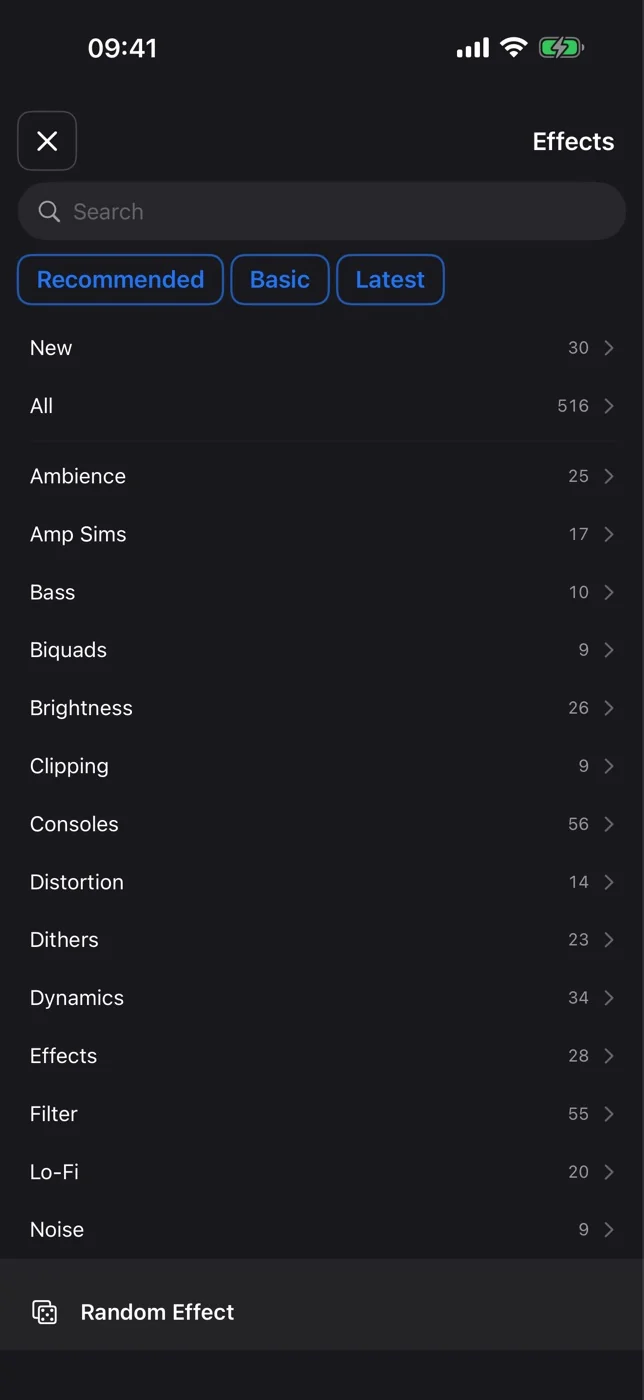
The documented interface includes search, categories and Recommended, Basic and Latest collections, plus slider or rotary controls, light and dark themes, and links to effect descriptions and videos.
Start with a question you can hear: does this passage need more space, a different texture or less clutter? Save a copy of a small project, choose one effect and compare the processed passage with the original at similar playback levels. This is a suggested listening exercise, not a report of our testing or a promise about a particular preset.
Keep the shortlist tiny enough to remember why each choice survived. An enormous collection becomes useful when it helps finish a musical decision. Otherwise it is a very impressive way to avoid the four bars that still need arranging. Affectionately: those bars know where you live.
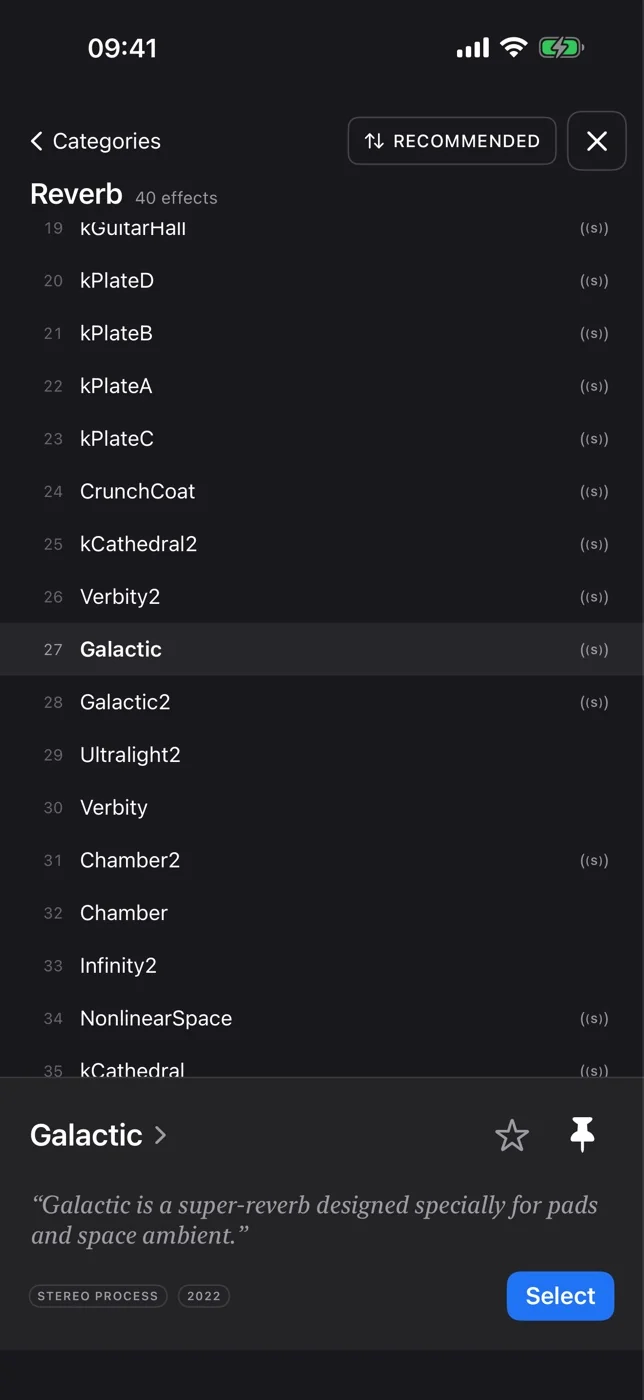
The store release and the next update are separate things
Pálsson says this build was submitted over a month before approval and describes newer TestFlight work separately. His older README still says the app is not on the store; the live listing and October 31 announcement supersede that status line.
That makes the installed version worth noting when following discussion threads. A feature mentioned in a test build should earn its place in your expectations only when the release you actually have includes it.
Our music creation guide helps put software choices around a workable setup. The sensible first goal here is one useful sound and a saved project. The rest of the cupboard can wait until after lunch.
Images: Chris Johnson, Paul Walker and Sveinbjörn Pálsson, via App Store.


You May Also Like

ASUS brings light-blue OLED Vivobooks to Japan
Docomo sets November 27 online launch for XREAL AURA in Japan