WellPD opens orders for Parkinson’s monitoring, including Canada
Remembering the shape of an ordinary week can be difficult when an appointment asks you to summarise it in a few minutes. A monitoring device promises to bring a record into that conversation. The useful question is whether the whole arrangement makes the record easier to understand and share, without making daily life a second administrative job.
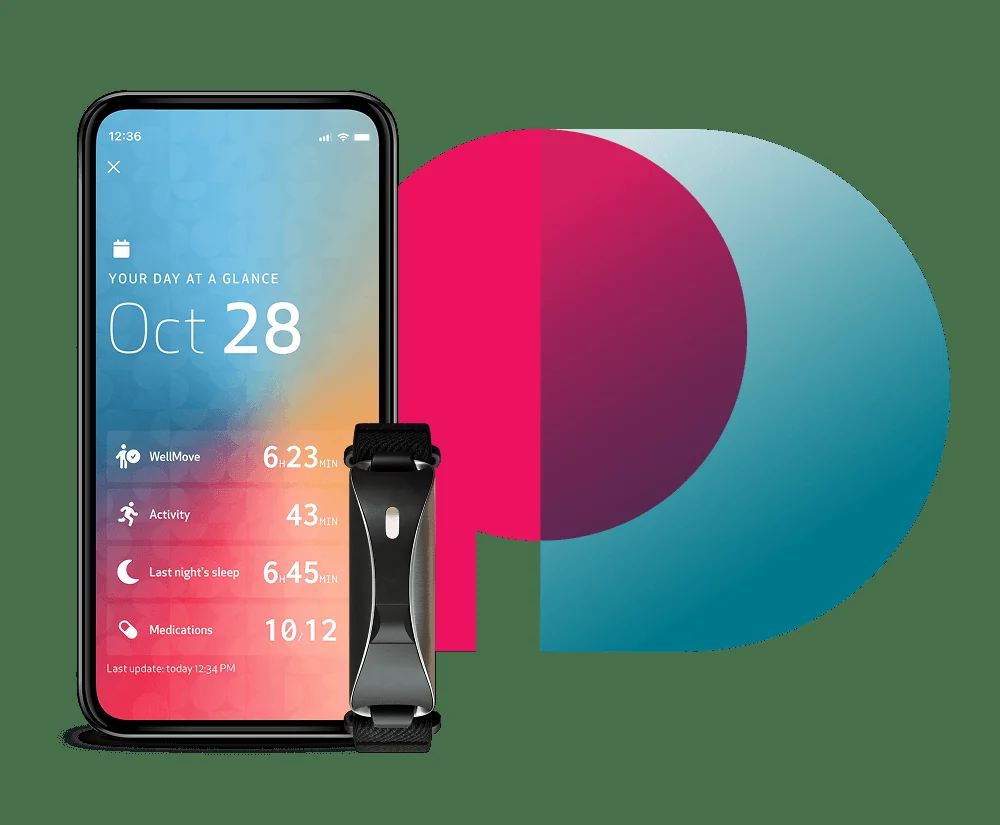
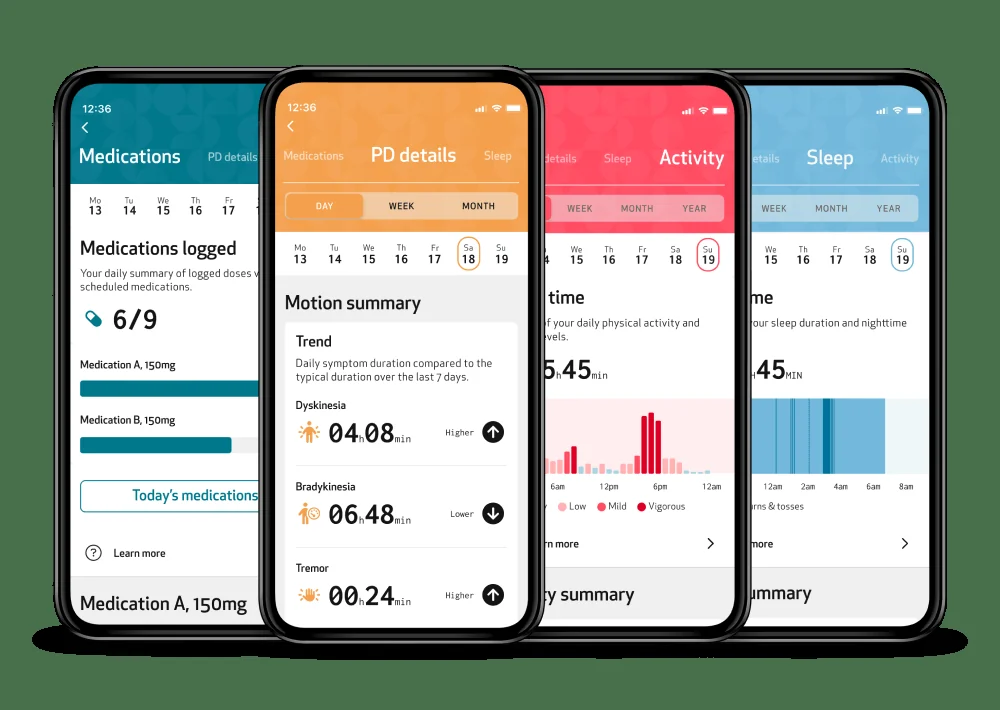
Empatica’s October 28 launch opens WellPD orders in markets including Canada. Its wrist device and companion app track tremor, bradykinesia, dyskinesia, sleep-related movement and activity. These measurements support conversations with a care team; they do not replace clinical assessment.
The wearable is one part of the arrangement
The product FAQ requires a compatible smartphone used by the wearer and a subscription. U.S. shipments require a prescription; do not assume U.S. terms establish Canadian requirements or prices. The displayed U.S. storefront lists shipping from November 23, not immediate delivery.
Start by understanding the practical routine, rather than assuming a wrist device is a self-contained purchase. Who will help with initial setup if help is needed? Where will charging happen? Which phone will stay with the person wearing it? Write down the questions that matter to the household before choosing a plan, and ask the supplier to clarify anything the local offer leaves uncertain.
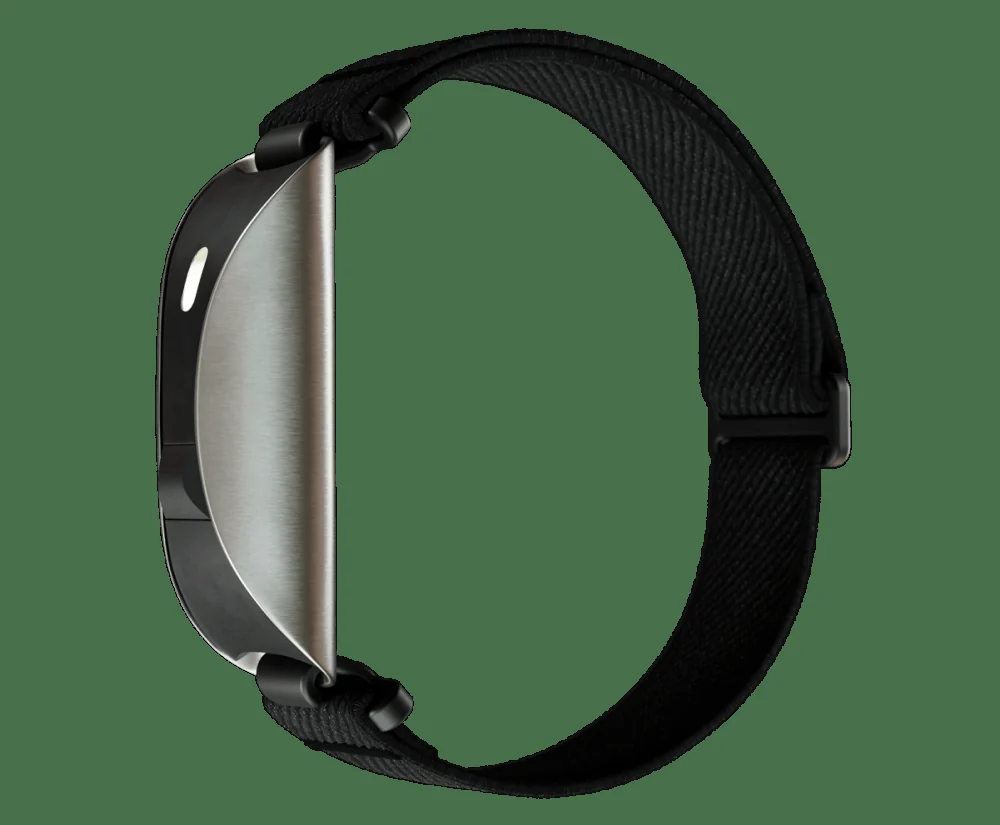
A useful demonstration would walk through an ordinary day: wearing the device, opening the app and finding the information that might be discussed at an appointment. Ask to see that process at a comfortable pace. There is no prize for memorising a menu on the first attempt. A product designed to help should be willing to explain itself twice.
Read the regulatory language precisely
The FDA’s K260374 clearance letter is dated August 14, 2026. Its enclosed indications describe movement quantification and sleep-related activity monitoring for ages 46–83. This is 510(k) clearance, not a claim of FDA approval for curing or diagnosing Parkinson’s.
Those distinctions matter because a device’s cleared purpose, its availability in a country and the usefulness of its information for one person are different questions. This news report does not establish a Canadian regulatory determination or offer a treatment recommendation. Take questions about suitability and interpretation to the healthcare professional involved in your care.
Make room for the person using the information
Before ordering, ask how to get assistance, what the ongoing charge covers and how the account can be managed if circumstances change. Review who can view the information and how it can be shared with the people you choose. A clear explanation of those everyday details is more useful than an impressive screen that nobody feels confident opening.
Our Google Health activity-detection coverage concerns a consumer fitness feature, with a different purpose from this medical monitoring system. The Wearables & XR desk follows both kinds of technology while keeping that distinction visible.
The takeaway is a new ordering milestone for a specialised monitoring system, with a phone, ongoing service and local purchase terms to understand. We have not tested its clinical performance. The best next question is a concrete one about the system and support you would actually receive, so the technology can make a conversation clearer instead of arriving with a small pile of unanswered paperwork.


You May Also Like
Nothing Phone (4b) reaches Japan: price, sales and shipping dates
PowerToys 0.102 gives your mouse button a break and your pointer an exit