Google Health 5.11 expands automatic workouts on Fitbit and Pixel Watch
Finishing a workout and then having to convince your tracker that it happened is a tiny administrative betrayal. The legs did the squats. Must they also file the paperwork?
Google’s October 23 release note says Google Health 5.11 is reaching Android and iOS in phases over a week.
More workouts, fewer little forms
Automatic detection expands from 10 to up to 100 activities on Fitbit Air and Pixel Watch 3, 4 and 5, with Fitbit Edge support when available October 27.
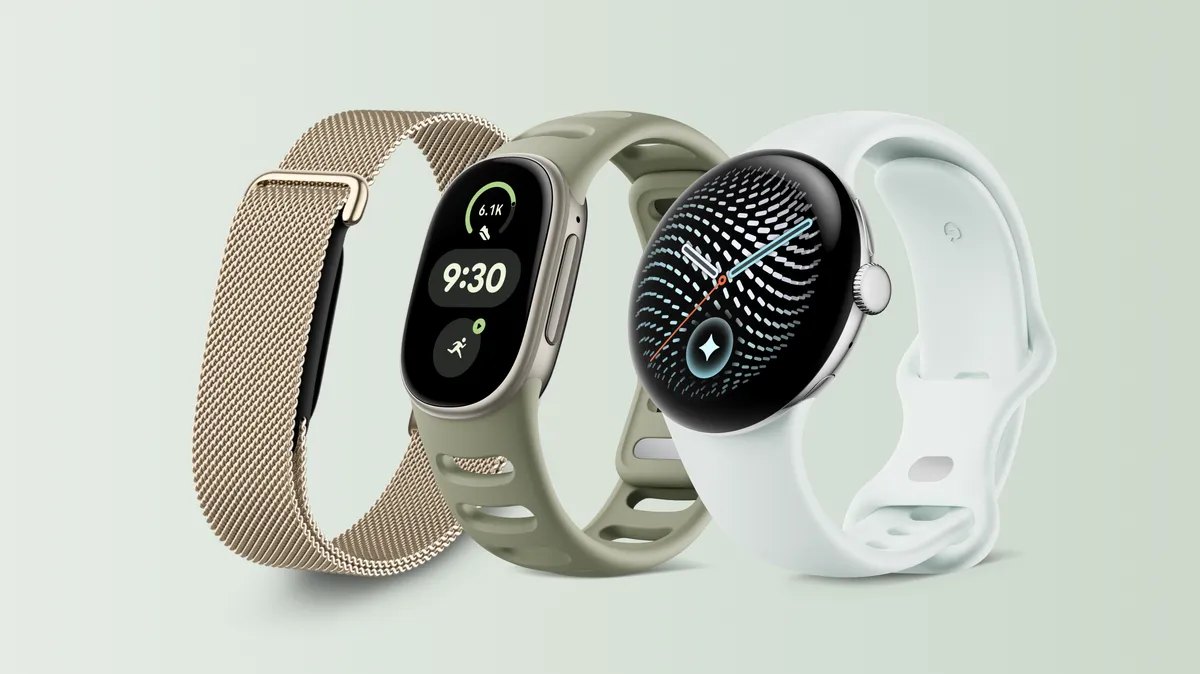
Automatic logging needs sustained elevated heart rate and a minimum duration, 15 minutes by default. A summary typically arrives within 30 minutes.
We have not tested the detection. A bigger activity list is promising, but the useful result is whether your normal sessions show up correctly. A tracker that needs constant supervision starts to feel like you have adopted a very small intern. Sweet little thing. Please finish the log.
That makes a quick check of the resulting activity worth the bother. Was the session labelled sensibly? Did it capture the part you care about? Corrections are more useful than treating a confident label as a tiny sworn affidavit. And a short session still counts as something you did, even if a software threshold declines to throw confetti.
There is a separate update for longer-term wellness trends.
Health Guardian reaches Fitbit Air with a subscription
Fitbit Air owners can set up Health Guardian in 5.11 with Google Health Premium, subject to country and device availability. The addition concerns blood-pressure and insulin-resistance trend summaries.
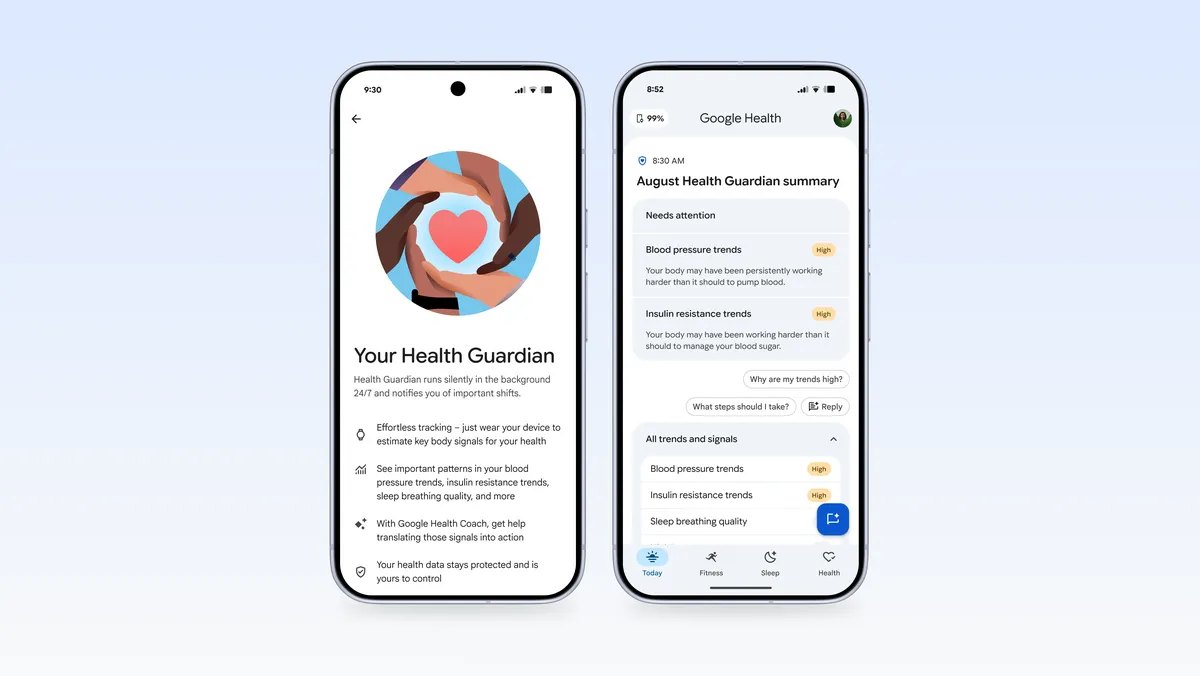
These are estimates of changing patterns, not a blood-pressure cuff or a laboratory result hiding inside a wristband. Google’s Health Guardian explanation and limitations say the wellness tools do not diagnose conditions, provide real-time clinical readings or serve as screening tests for hypertension, diabetes or sleep apnea. They should not guide medication or treatment changes, and Google excludes use during pregnancy. The original feature announcement explains the research behind its approach; that does not turn an individual trend into a diagnosis.
Check the device you own before shopping for another
The practical appeal is getting more use from existing hardware. Google introduced the screenless Fitbit Air alongside the Google Health app earlier this year; the wristband depends on the phone app for its richer view of your data. Meanwhile, our Fitbit Edge report covers the upcoming alternative with a screen. A new software feature alone is no reason to send a perfectly useful tracker into the drawer of abandoned charging cables.
Check your app version, supported model and regional eligibility first. Then see whether the automatic log is actually helpful over several normal activities. Our wearables coverage follows those trade-offs. The goal is less time managing the evidence of exercise, and more time enjoying the pleased little feeling of having done it. Preferably with a snack already arranged.
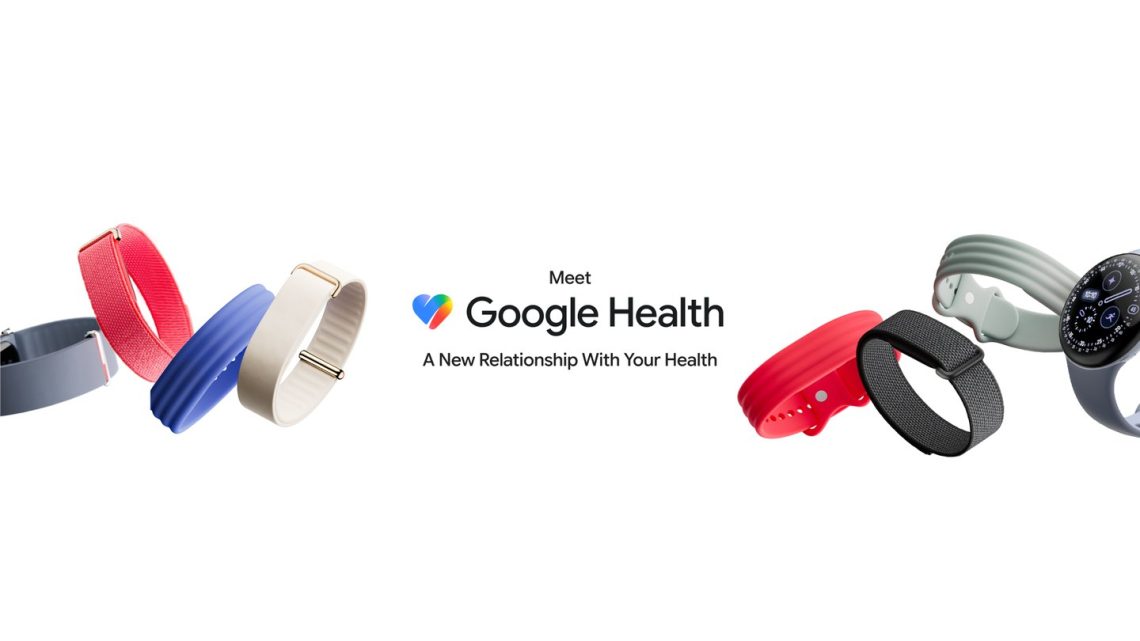
Hero image: Google’s Google Health promotional artwork, originally published in May 2026. Official image source. This report covers the October 23 app rollout; we have not tested its detection or wellness estimates.


You May Also Like
OLED gaming monitors are booming. Does your desk need one?

Apple TV adds Dolby Atmos to F1 for the US Grand Prix weekend