Meta and CNIB bring AI glasses training to Canada
A wearable demonstration can end at the exact moment the interesting questions begin. What was awkward? Which task actually mattered? Would anyone use this again on a thoroughly ordinary Tuesday? Meta’s new Canadian partnership gives those questions a place in the product conversation. Good. The demo table should have a suggestion box with teeth.
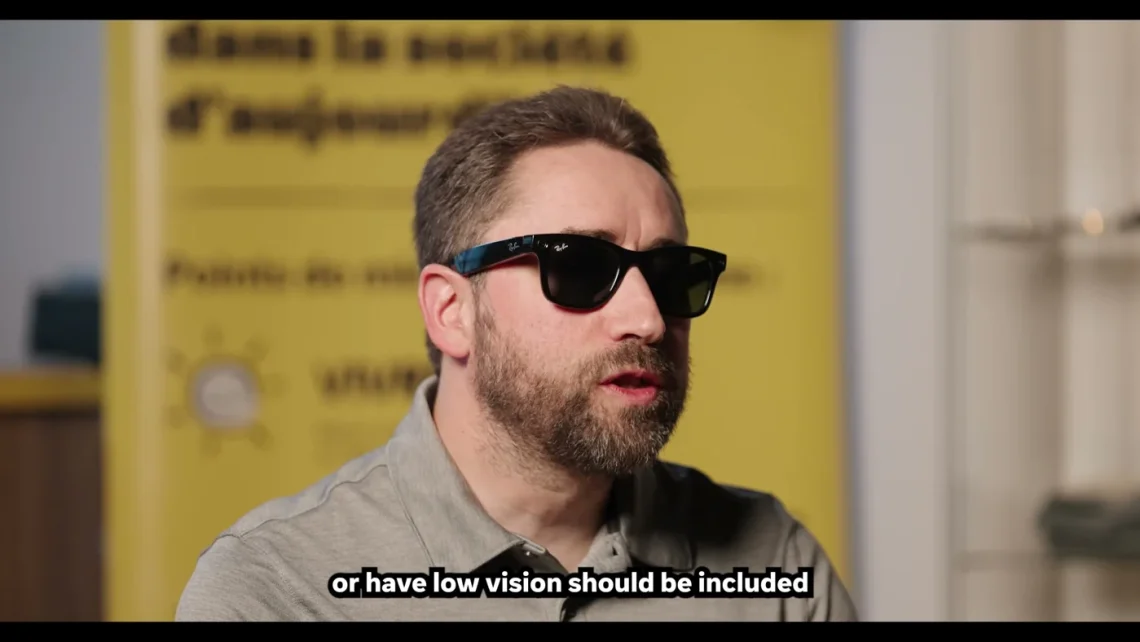
Meta’s October 29 announcement funds CNIB community listening, peer-led demonstrations and training, accessible resources, and feedback to its product teams. The partnership centres Canadians who are blind, Deafblind or have low vision.
The useful bit is who gets to answer back
Peer-led sessions matter because a polished presentation and an everyday routine ask different things of a device. Someone should be able to say that an interaction is confusing, ask for a different explanation, or decide a feature is simply not useful for them. That feedback is a design input, rather than an obstacle to a cheerful launch slide.
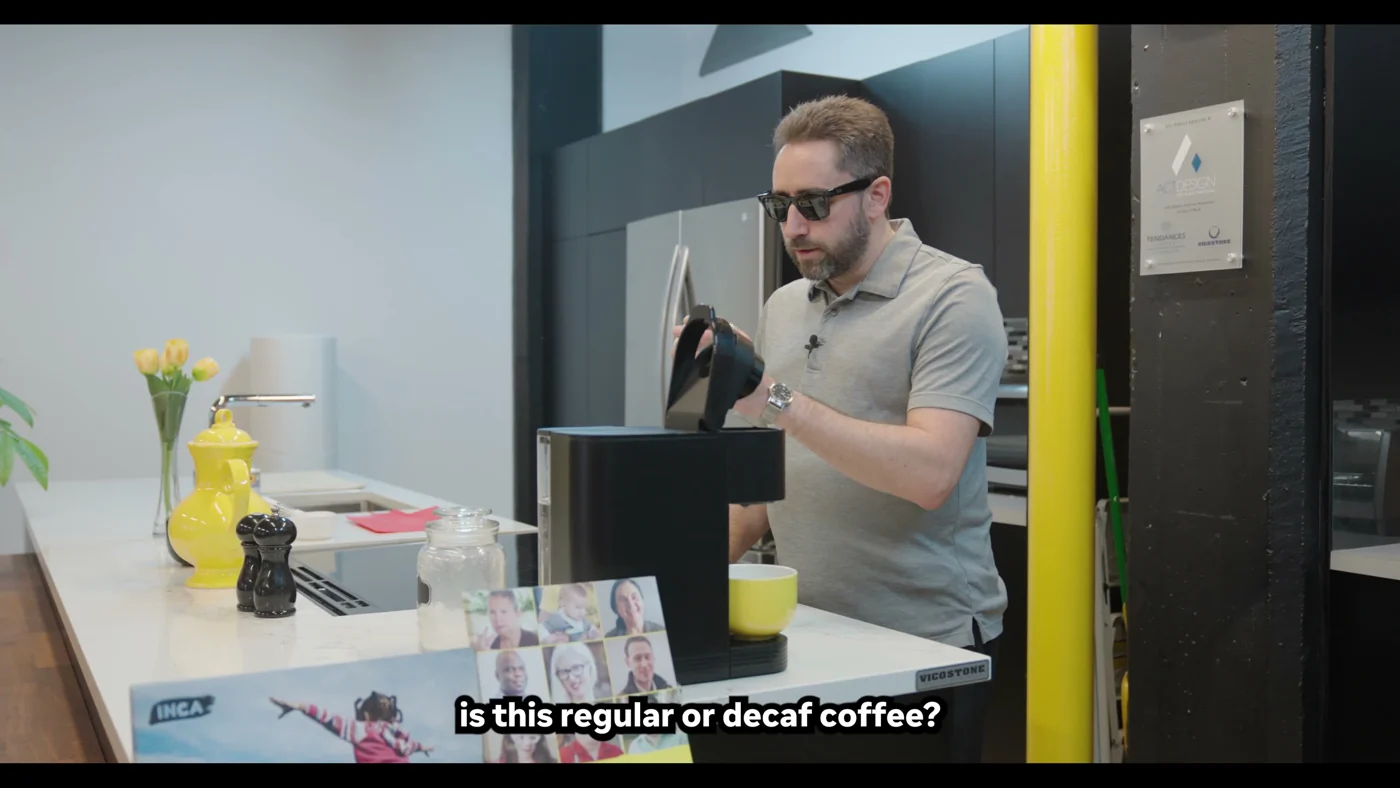
Meta is also donating AI glasses through CNIB’s Come to Work employment programme. The announcement gives no donation quantity, funding total or general public application timetable.
That distinction is worth keeping visible: this is a funded support and feedback partnership, rather than an announcement that every Canadian can now claim a free pair. Nor does promotional footage establish how reliably a feature will work in a particular situation. We have not independently tested the glasses.
Where interested readers can start
CNIB’s separate Come to Work information explains the existing route: its talent pool is for the blind and low-vision community living in Canada. Applicants need a résumé and a letter about their skills, career goals and desired industry; a work sample is optional.
The programme lists some information services without formal registration, while individual career support is for registered participants. Registration involves a follow-up call and addition to its opportunities-and-services email list.
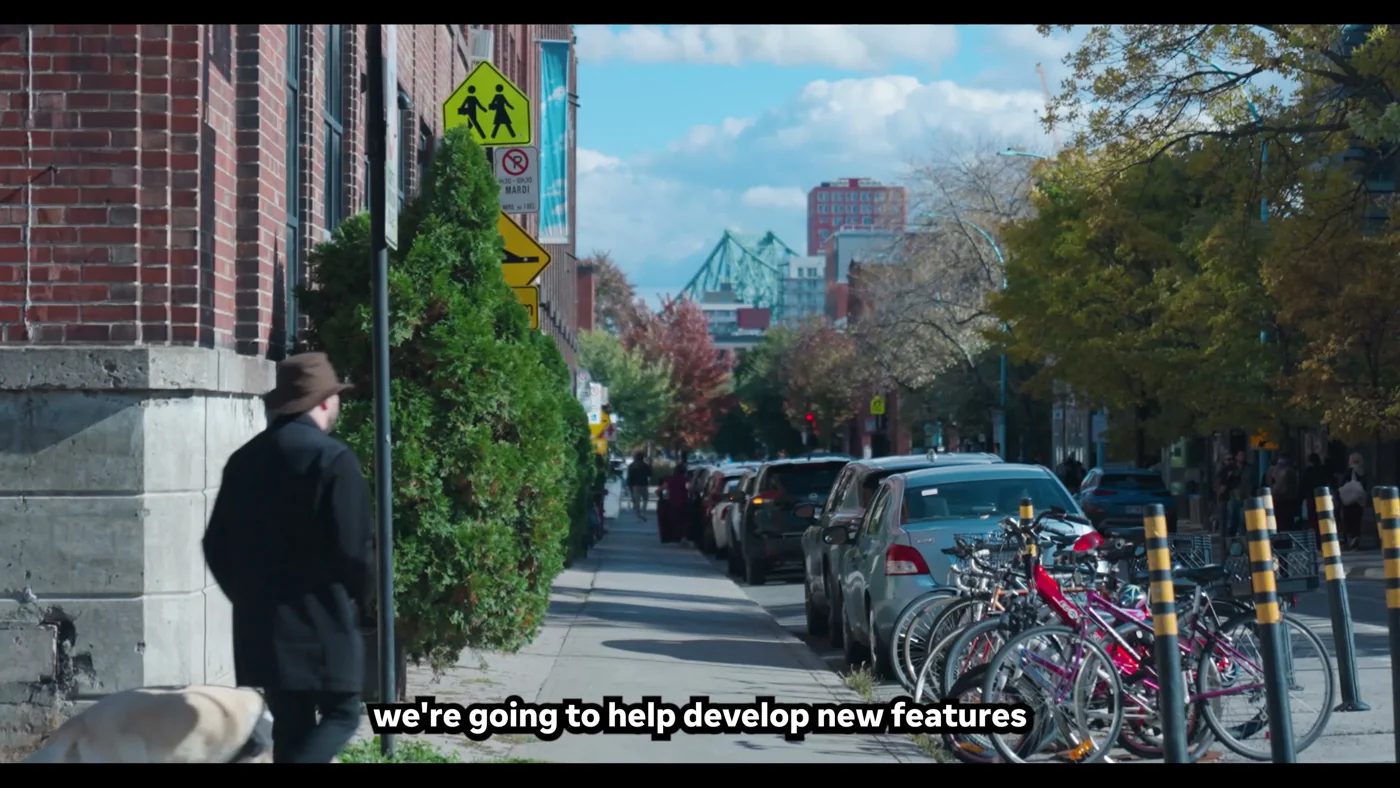
Joining that employment programme should not be treated as a guaranteed glasses allocation. Use its official information to understand the service, then ask CNIB about participation and any device arrangements. The sensible first step is a conversation about your goals, rather than building a shopping basket around a headline.
A better question than “is it clever?”
The takeaway is a way for community experience to reach the people shaping the technology, alongside practical support for exploring it. Our Wearables & XR desk follows the wider field; our Google Beam coverage looks at another attempt to make communication hardware useful in a specific setting. Clever is easy to put on a poster. Useful has to survive Tuesday.


You May Also Like

Bose QuietComfort Ultra: what the original headphones promised
Anker Liberty Buds 2 launches in Japan with a smaller fit