Google’s Suncatcher satellite sends back its first AI response
Google’s orbital computer has sent back poetry. Very well; apparently even a space experiment needs a creative side project. The interesting achievement is underneath the haiku: a machine received work, ran it away from Earth and returned an answer that the team could inspect.
In its October 30 report, Google says the Project Suncatcher prototype generated its first AI response in orbit. An onboard Gemma 4 model answered a haiku prompt; the result came down during a ground-station pass near Svalbard, Norway.
A reply is an encouraging beginning
This is a computing milestone after the October 1 satellite launch, not a new launch announcement. Google says further tests will examine thermal stress and radiation, ahead of two interconnected satellites planned for 2027.
That distinction is the story. Getting a response demonstrates one completed task in the reported conditions. It does not, by itself, establish how reliably the system will handle a demanding workload over a long mission. An excellent first day still leaves the rest of the calendar to negotiate.
The cooling problem does not disappear into space
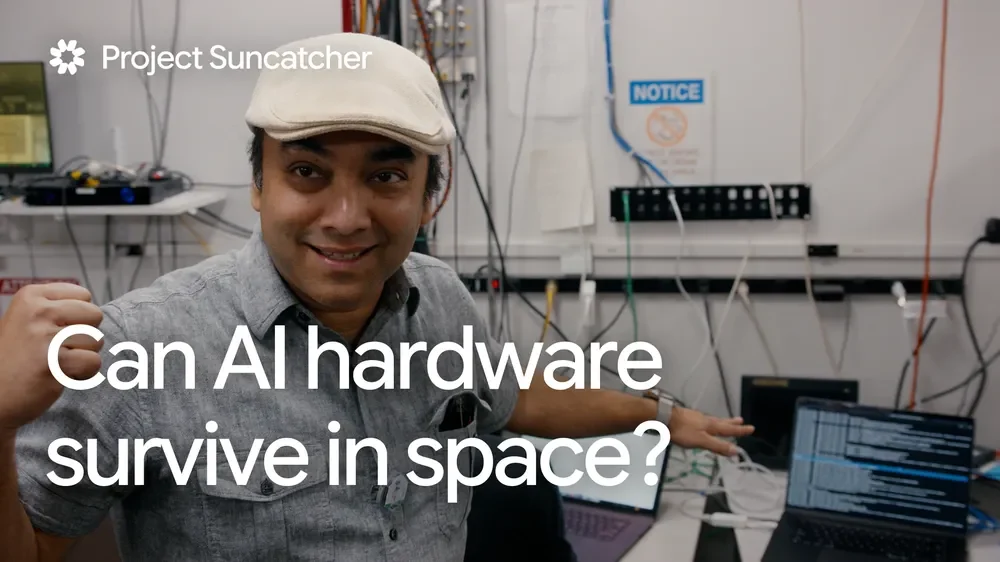
Google’s September engineering account explains the cooling problem: a vacuum removes the usual airflow route for carrying heat away. The team is developing heat-pipe and radiator approaches and has tested designs in a thermal vacuum chamber.
This is why a familiar phrase such as “data centre in space” can hide a lot of engineering. Powering a chip and moving the heat it produces are connected jobs. A successful model response is useful evidence, but it is not a complete cooling evaluation. The poetry does not get to sign off the thermal design.
The same engineering account describes testing TPUs under a proton beam while AI workloads ran, looking at how errors such as bitflips affected the work. That earlier ground testing and the current orbital experiment are different steps.
Watch for results, rather than a shopping link
The next useful updates would report the conditions tested, how the hardware behaved and what changed in the design as a result. That would let readers distinguish a promising demonstration from evidence of repeatable operation. We have not independently verified the orbital result or evaluated this hardware.
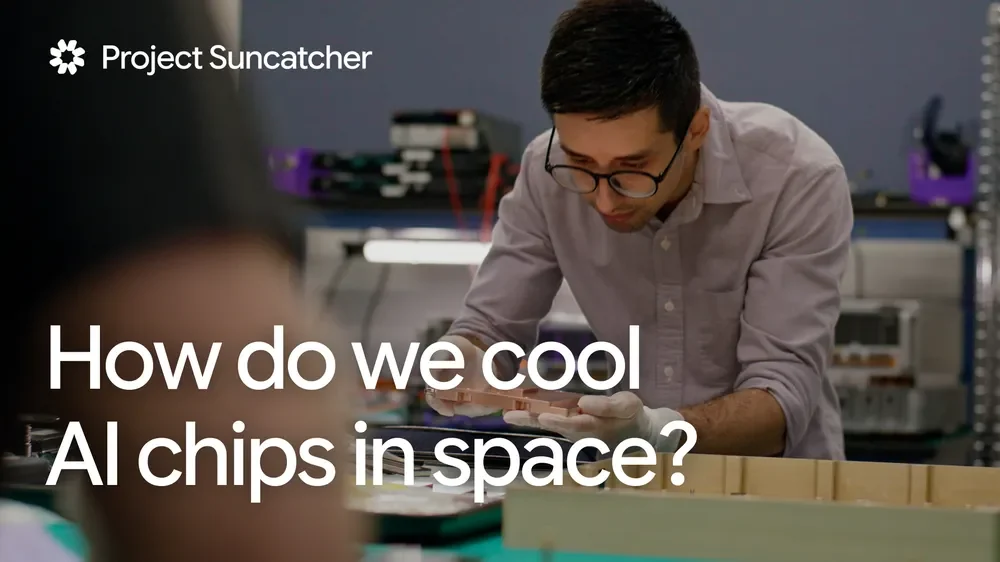
There is no consumer product, paid service offer or commercial availability date in this announcement. The images here identify the project and its earlier engineering explainers; they are not photographs of the model producing its response in orbit.
For a much more earthly approach to running AI near its inputs, our BrainChip Raspberry Pi kit coverage looks at a developer system. The computing desk follows the wider hardware picture. For Suncatcher, enjoy the small poetic victory and keep an eye on the testing. A haiku can be charming without being asked to carry an entire future data centre on its back.

You May Also Like
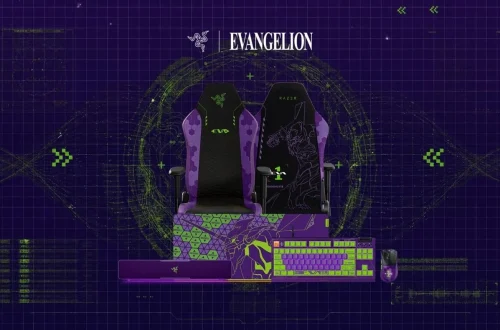
Razer’s EVA-01 collection gives the gaming desk a purple-and-green makeover
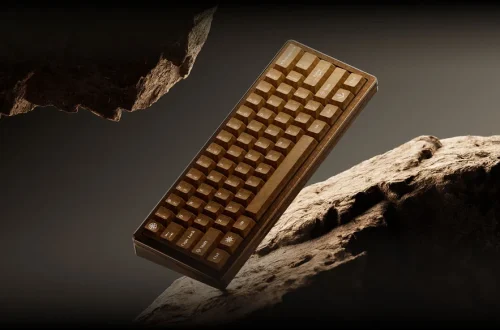
Keychron Q19 HE 8K pairs an aged finish with magnetic switches