Amazfit Helio Strap Pro reaches Japan, with a watch-shaped caveat
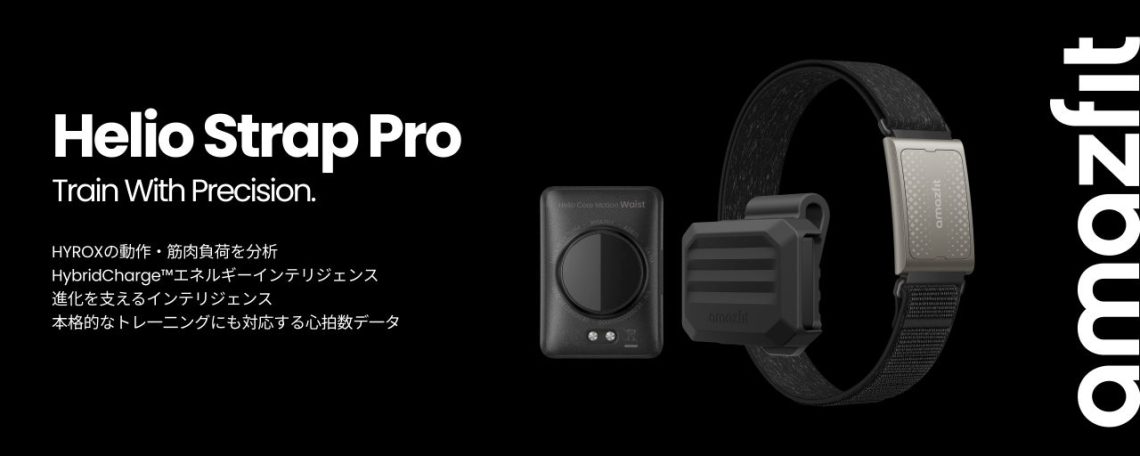
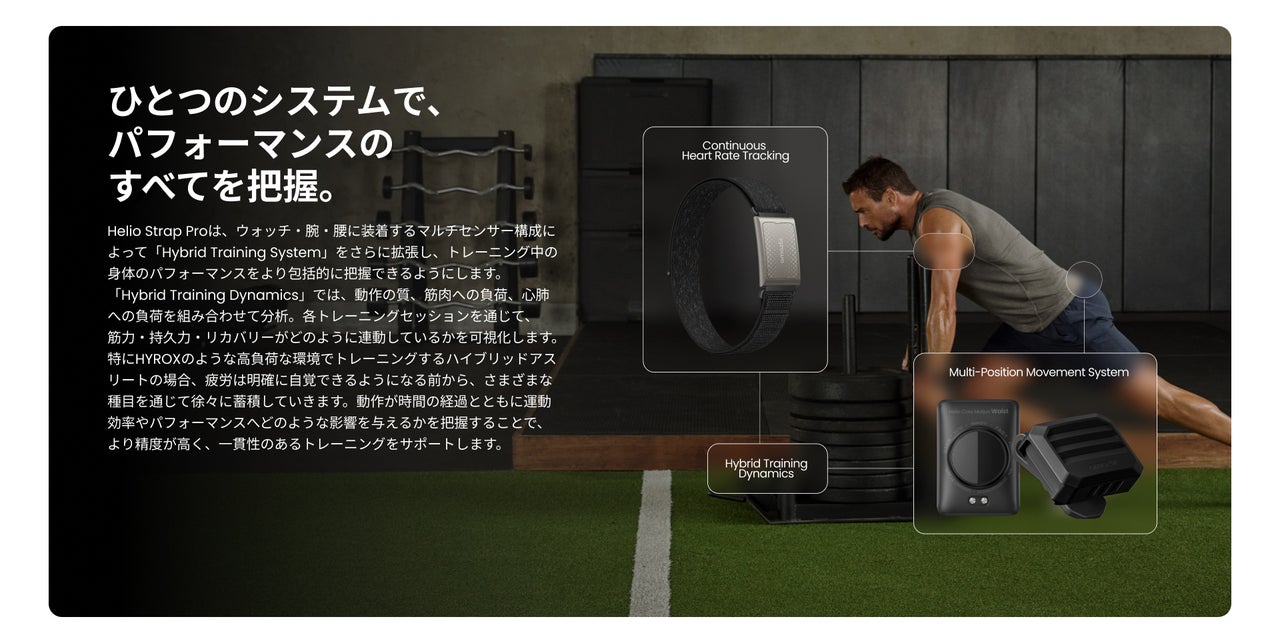
Training kit used to mean shoes, a bottle and the sock that somehow escaped the wash. Amazfit’s Helio Strap Pro adds a more coordinated little entourage: an upper-arm heart-rate sensor, a waist motion sensor and a compatible watch. The interesting part is what the three can tell you together.
Amazfit’s November 20 announcement introduces the kit in Japan at ¥35,900 including tax. It targets HYROX races and simulation training, with data reviewed in the Zepp app. The Japanese price does not establish Canadian availability.
Put the watch on the shopping list
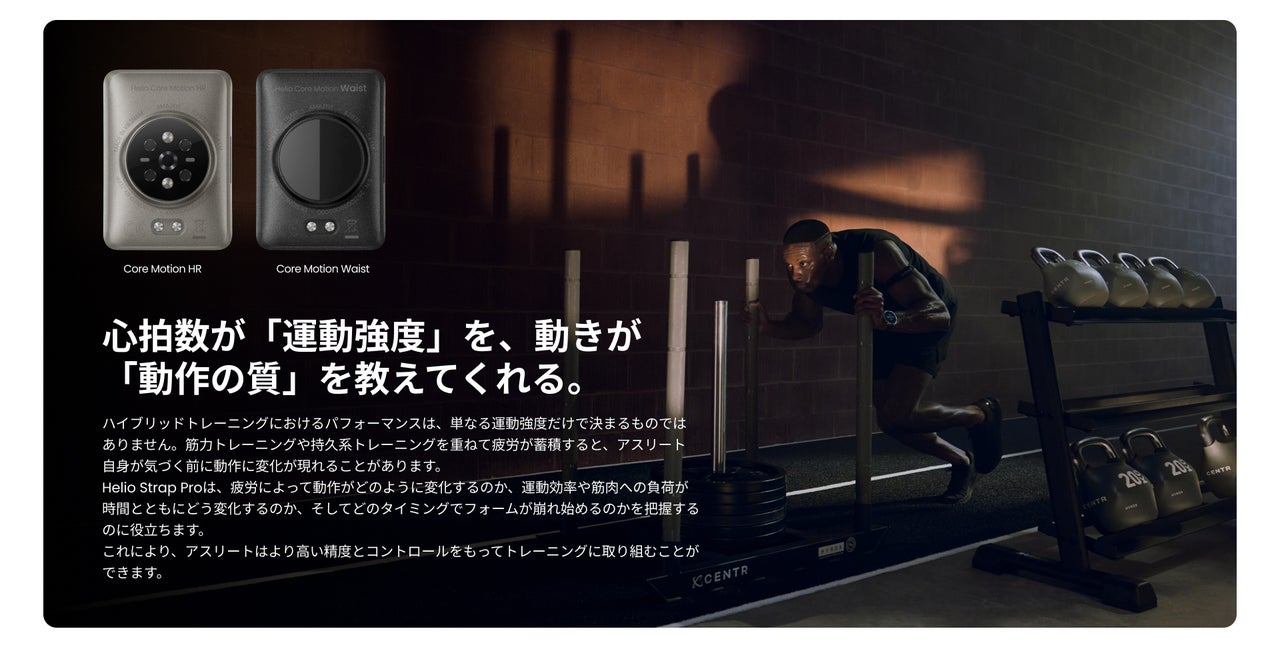
The launch release names Amazfit Balance 3 and Balance Ultra for three-point analysis, with the watch sold separately. The current Japanese product page also lists Balance 2. That difference deserves a compatibility check for your exact watch and intended analysis mode before buying. Amazfit pairs its Helio Core Motion HR sensor on the upper arm with Helio Core Motion Waist at the waist, alongside the watch on the wrist.
That compatibility detail belongs ahead of the excitement. If you already own a different Amazfit model, its brand name alone does not establish support. Match the exact watch to the supported list, then check the app and firmware requirements for the combination. The little entourage has a guest list. The product page lists Android 8.0 or later and iOS 17.0 or later for the Zepp app. It says basic features need no monthly subscription; external-service availability and shared data can vary by region and service.
The analysis depends on the workout mode
Amazfit says body-movement, posture and training-load analysis combines the three sensors in HYROX Race or HYROX Simulation mode. It describes reviewing movement and stability alongside heart rate and the time taken for individual stations.
Here’s the question to take to a demonstration: can you find the moment you want to understand? A useful example would show a specific station, its timing and the corresponding movement information together. More numbers become interesting when you can connect them to a recognizable part of the session.
Ask to see the resulting Zepp app screens, how the sensors connect and what a partial recording looks like if one component disconnects. You want a workflow you can recognize after an exhausting session, when even locating the correct pocket starts to feel like bonus exercise.
Keep the feature claims in their lanes
The release also lists more than 50 sports for the heart-rate sensor and recognition of 25 movements in strength-training mode. Those descriptions do not extend every three-sensor feature to every sport. The ordinary Helio Strap is a separate product, which the announcement discusses too.
We have not tested the system or its measurement accuracy. Amazfit describes it as a fitness product, not a medical device. Treat the announcement’s performance descriptions as manufacturer claims.
Our takeaway: this is most relevant to someone who wants the supported HYROX workflow and owns, or intends to buy, a compatible watch. Our Moto Watch Fit 27 coverage explores a different watch-and-insights approach; the Wearables & XR desk follows the broader choices. Make the complete setup earn its place in the kit bag before adding another thing to charge.


You May Also Like
LINE’s scrolling previews move to Premium in Japan
iPad mini gets OLED and A20 Pro, with a CAD $949 starting price