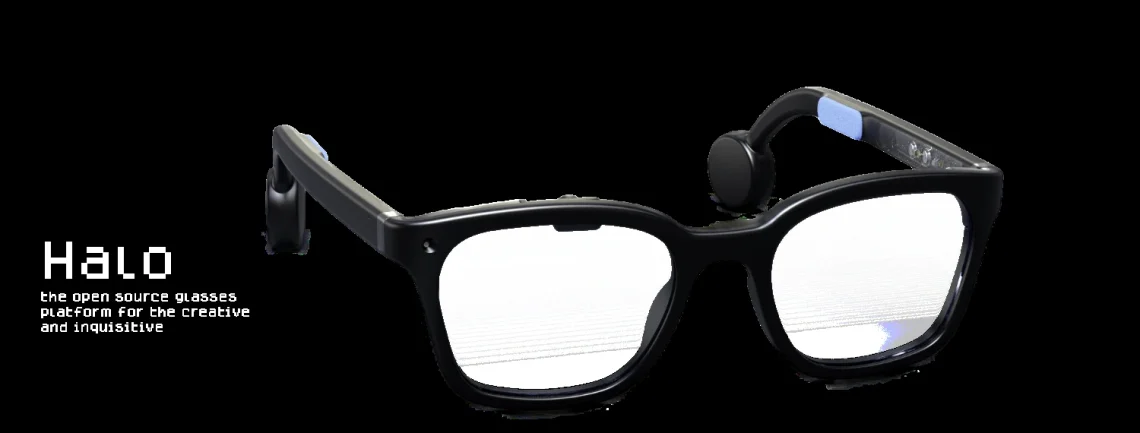
Halo launches with Noa and a subscription choice
Brilliant Labs launched Halo on October 27, pairing its Noa assistant with voice-built mini-apps and Narrative, a game layer for everyday surroundings. The issuer release emphasizes local processing where possible. It does not establish that every feature works offline.
Smart glasses have a deceptively simple sales pitch: keep the phone in your pocket and make the useful bits easier to reach. The harder question is which useful bits you will actually want on your face. A tiny display gets a stricter invitation to your day than another app icon does.
The price has more than one layer
The official store lists Halo at US$399 and says it is shipping. The included free Noa tier has daily caps and is described as less conversational. Noa Plus costs US$9.99 monthly; Pro costs US$39.99 monthly with higher allowances. Annual plans are also offered. Import taxes are additional where applicable.
That makes the assistant plan part of the hardware decision. Before treating a subscription as a harmless little extra, decide what you expect to ask and how often. A pair bought for occasional glanceable information has a different job from one expected to carry a long conversation. Compare the continuing cost with the routine you actually want, rather than with the most enthusiastic moment in a demonstration.
Brilliant’s setup guide still labels the Noa downloads for iOS and Android as coming soon; confirm the app path for your phone before ordering.
Fit deserves a practical check
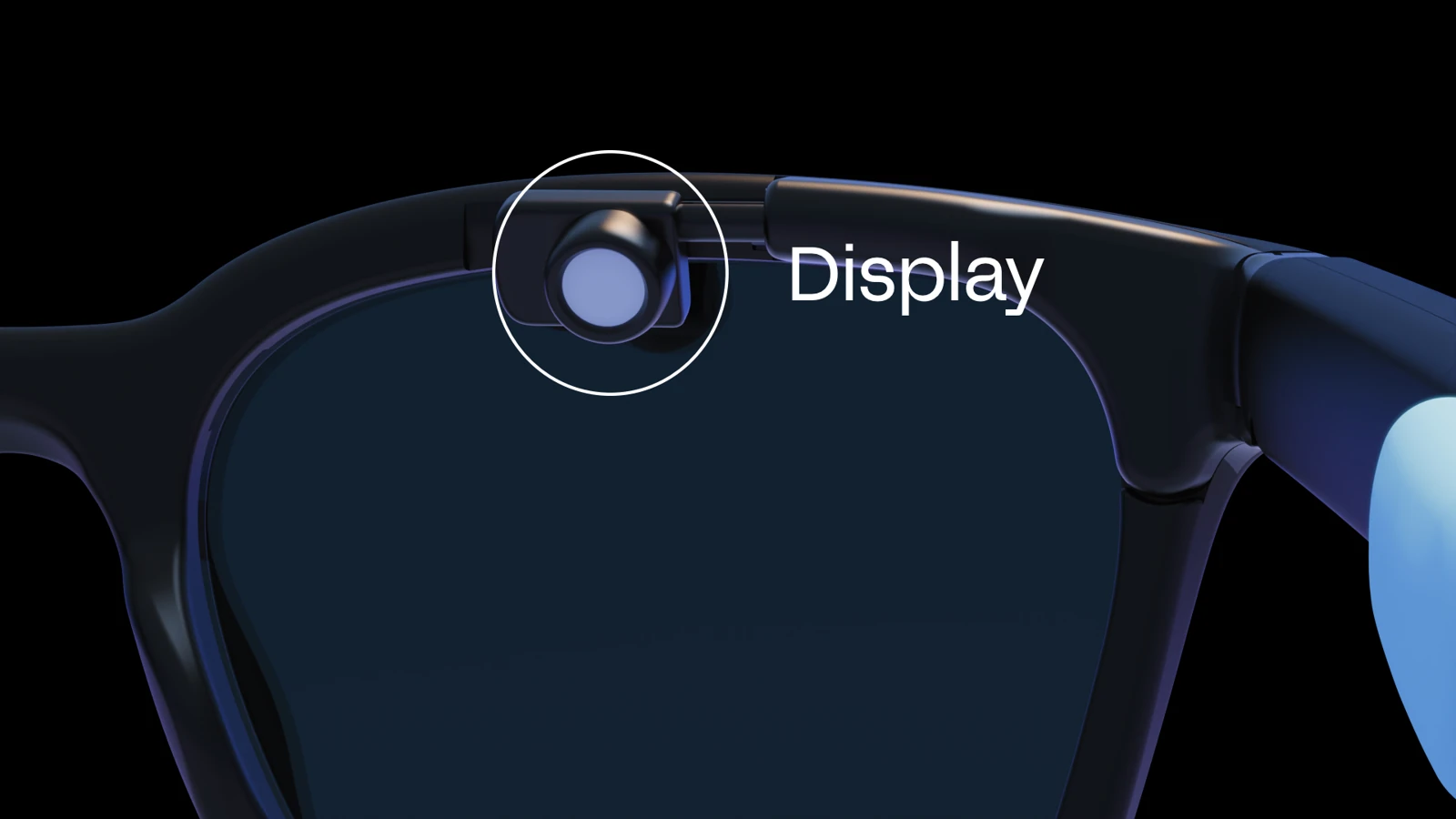
Halo weighs just over 40g. Brilliant specifies a 58–72mm interpupillary-distance range and an adjustable display optic from +2 to −6 diopters. Prescription lenses come through a separate partner.
That is an excellent reason to measure before ordering. Ordinary glasses already ask quite personal questions about bridge fit and comfort; adding a display makes the viewing position part of the decision as well. Keep the hardware fit, lens arrangements and assistant behavior on separate lines of the checklist. One attractive answer cannot quietly fill in the other two.
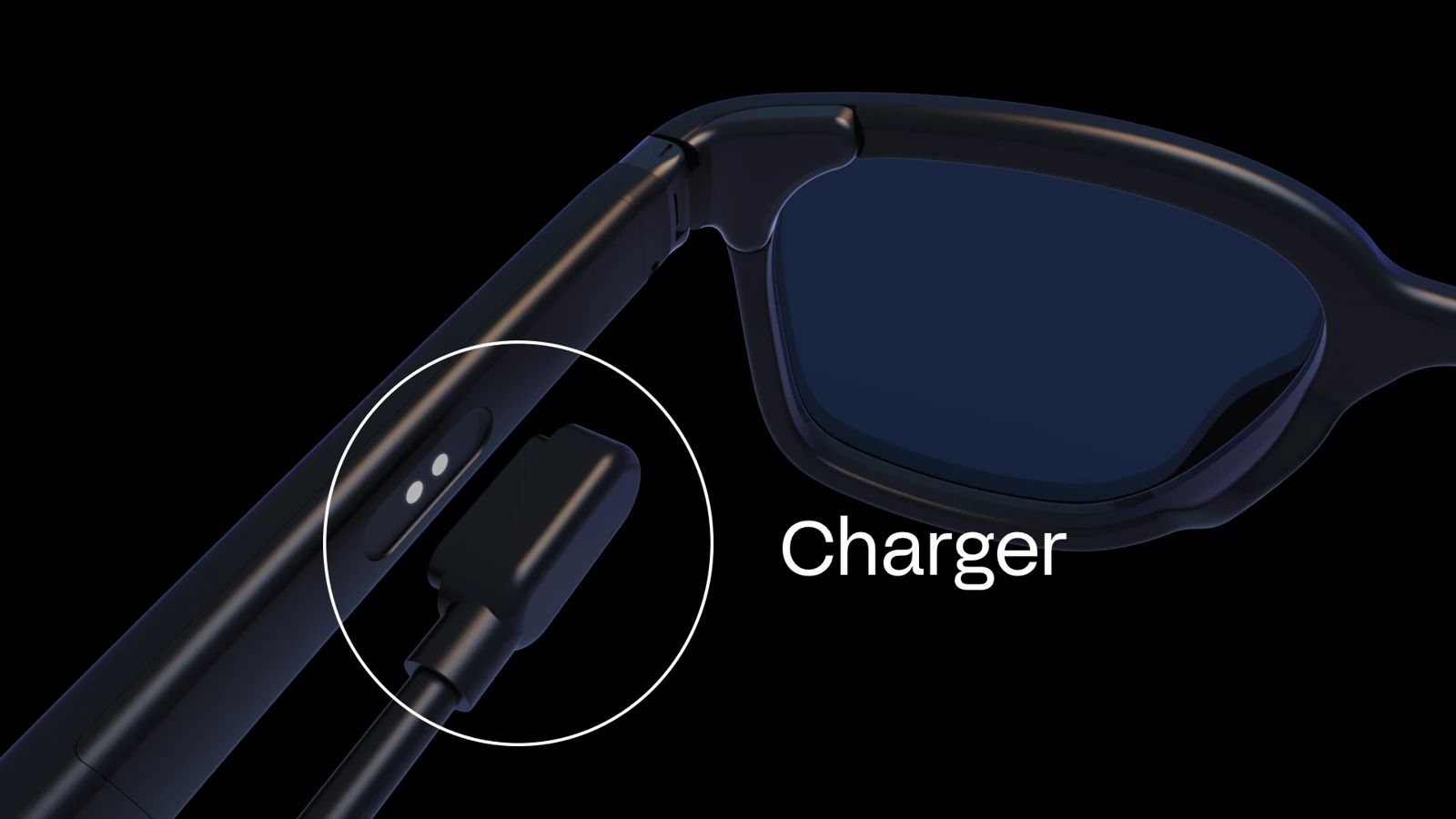
The launch release claims up to 14 hours of battery life. That is a manufacturer claim, not a result from our testing.
For the game and mini-app ideas, start with one small activity whose benefit you can explain without a trailer. Check how it responds, what information it needs and what happens when it gets something wrong. Marketing about personal context should prompt concrete questions about processing and retention, rather than a blanket assumption that every interaction stays on the glasses.
Our Wearables & XR coverage follows the wider category, while the Siri AI rollout is another reminder to read an assistant’s access conditions carefully. The promising idea is a smaller interruption. Whether that is worth wearing all day deserves a rather personal audition.
Image licence
ISC License Copyright © 2024 Brilliant Labs Ltd. Permission to use, copy, modify, and/or distribute this software for any purpose with or without fee is hereby granted, provided that the above copyright notice and this permission notice appear in all copies. THE SOFTWARE IS PROVIDED “AS IS” AND THE AUTHOR DISCLAIMS ALL WARRANTIES WITH REGARD TO THIS SOFTWARE INCLUDING ALL IMPLIED WARRANTIES OF MERCHANTABILITY AND FITNESS. IN NO EVENT SHALL THE AUTHOR BE LIABLE FOR ANY SPECIAL, DIRECT, INDIRECT, OR CONSEQUENTIAL DAMAGES OR ANY DAMAGES WHATSOEVER RESULTING FROM LOSS OF USE, DATA OR PROFITS, WHETHER IN AN ACTION OF CONTRACT, NEGLIGENCE OR OTHER TORTIOUS ACTION, ARISING OUT OF OR IN CONNECTION WITH THE USE OR PERFORMANCE OF THIS SOFTWARE. Unless specified otherwise (see below), the above license and copyright applies to all files within this repository. Individual files or subdirectories may include additional copyright holders, or may be licensed under different terms.


You May Also Like
REGZA’s TD-Z5 displays are built for around-the-clock signage
WHOOP’s PROJECT TERRAIN Layer 2 gives tracking a designer wardrobe