BRAVIA 9 II and Hisense RGB UXS: fresh measurements add context
Shopping for a television can feel like being introduced to a room full of very competitive numbers. One announces its brightness. Another starts talking about colour. You only asked whether movie night would look nice, and somehow there is a spreadsheet in your lap.
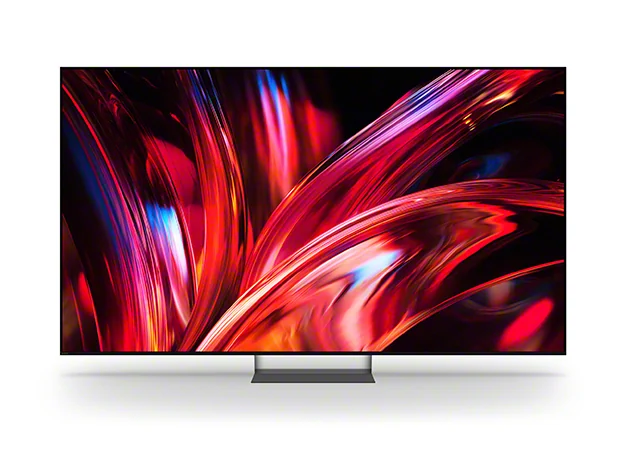
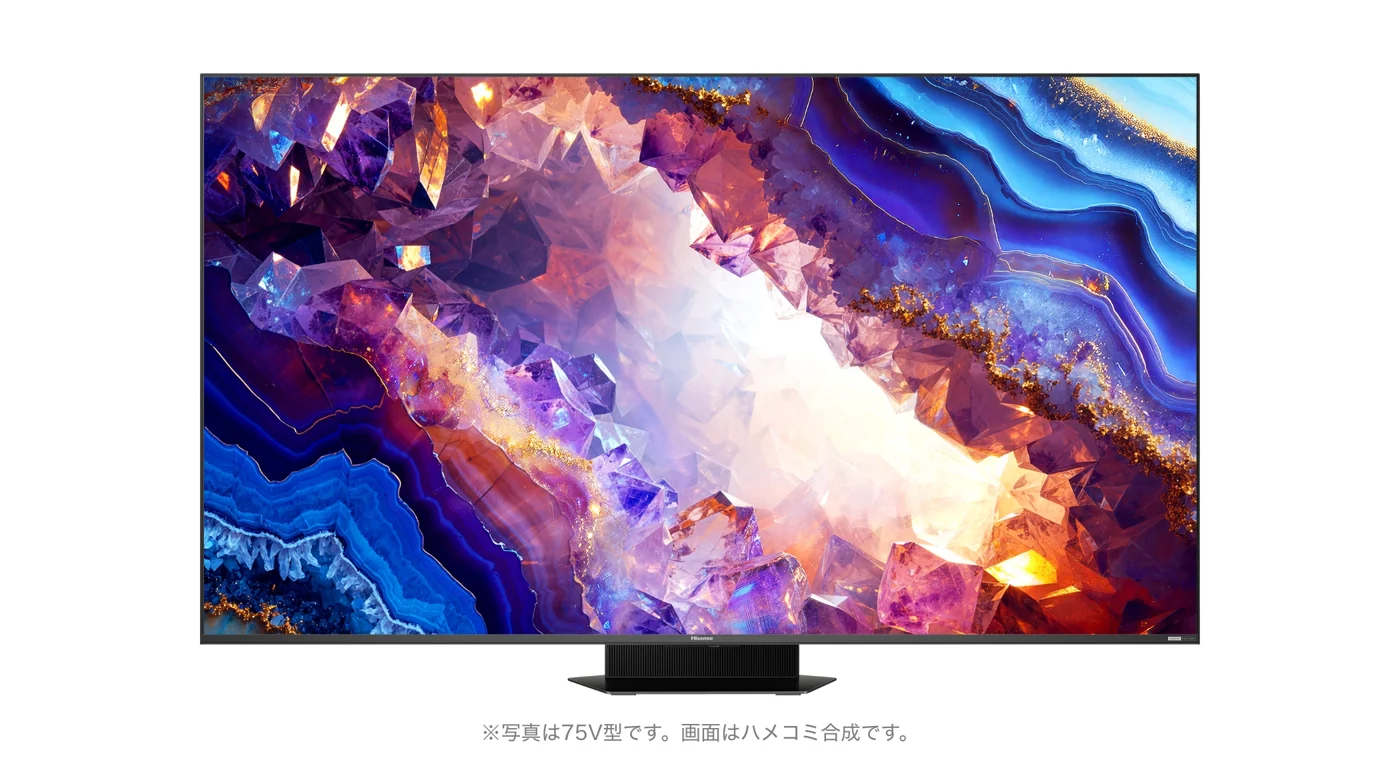
AV Watch’s October 29 reports tested 65-inch samples: Sony BRAVIA 9 II K-65XR90M2 and Hisense RGB 65UXS.
Two different questions, two different strengths
At a 10% HDR window, Sony measured 4,086cd/m² in Professional mode; Hisense measured 2,323cd/m² in Movie mode.
Dynamic-mode BT.2020 coverage using the 1931 calculation was 87.17% for Sony and 92.58% for Hisense. AV Watch used a dark room, disabled sensor functions and otherwise kept factory picture settings, without calibrating the televisions.
Those results make a useful little point: the biggest highlight number and the widest reported colour coverage answer different questions. Choosing a television by whichever specification happens to be printed in the largest type skips the part where you decide what you actually enjoy watching.
Treat the figures as results from the stated samples, modes and test conditions. They do not establish a universal winner for every size, setting or room. The new development here is the published measurement evidence. These are existing television families, and this article is not announcing fresh hardware or presenting our own tests.
Here is the part to bring to a showroom
Take familiar material and a short list of annoyances. Do bright highlights keep the detail you expect? Can you follow a dim scene without constantly reaching for a setting? Does the image still suit you with the room lights in their usual positions? A calm comparison answers more than a display loop that has never encountered an unflattering cloud.
Keep the modes consistent when comparing, and write down what was selected. If you change a setting to fix one scene, return to a different kind of content and see whether the trade-off still makes sense. Let the whole viewing routine vote, including the less cinematic programmes you actually watch on a Tuesday.
The useful conclusion is a better shortlist
Our earlier Panasonic W97C measurement report shows why a brightness figure needs its window and mode attached. Use the television desk to compare other developments without turning one test into an entire buying verdict.
If you are shopping outside Japan, verify the exact model and specifications in your market before transferring these results to a local listing. Keep screen size, settings and the identity of the tested sample on your notes. Similar branding is helpful orientation; it is not a substitute for checking the product in front of you.
The takeaway: Sony’s highlight result and Hisense’s colour-coverage result each deserve attention, with their conditions attached. Use them to ask sharper questions, then let your room and viewing habits finish the conversation. The spreadsheet may attend movie night. It does not get sole custody of the remote.


You May Also Like
ASUS announces availability for its 720Hz and 540Hz Ace OLED monitors

GARRACK’s Cosmic Princess Kaguya watches launch, with a shipping delay